 Free & discreet shipping on all prescriptions
 No insurance required


March 24, 2026
Panchakarma Treatment for Weight Loss: Benefits, Therapies & Results
Ayurveda, the ancient system of natural healing, has been practiced for thousands of years in India. Its holistic approach to health focuses on balancing the mind, body, and spirit through natural remedies, diet, lifestyle adjustments, and therapies. In this post, we’ll explore the core principles of Ayurveda and how you can incorporate them into your daily routine for a healthier and more balanced life.
Panchakarma treatment for weight loss is a structured Ayurvedic detox program used to reduce Kapha stagnation, improve digestion, reset metabolism, and support sustainable fat loss. It is especially helpful for people struggling with stubborn weight gain, belly fat, PCOS-related weight issues, water retention, or slow metabolism. Depending on the individual, treatment may include Virechana, Vasti, Udwartanam, Abhyanga, and Swedana under doctor supervision.
In Ayurveda, weight gain is not simply a matter of excess calorie intake. It is often associated with weakened digestive fire (Agni), accumulation of metabolic toxins (Ama), and dysfunction of fat tissue (Medo Dhatu). When these processes become inefficient, fat accumulates and metabolism slows.
Panchakarma addresses these root imbalances.
What Is Panchakarma in Ayurveda?
Panchakarma is a classical Ayurvedic detoxification system consisting of five primary therapeutic procedures designed to eliminate accumulated toxins and restore dosha balance.
The term “Panchakarma” literally means “five actions.” These actions are specialized therapeutic procedures that remove deep-seated toxins from tissues rather than merely cleansing the digestive tract superficially.
Unlike modern detox programs that rely on restrictive fasting or supplements, Panchakarma follows a carefully structured sequence. It includes preparatory steps, the main detox procedure, and post-detox stabilization.
The objective is not just elimination. The objective is metabolic reset.
When applied in weight management, Panchakarma helps clear Ama from fat tissue and improve the functioning of Medo Dhatu. This enhances metabolic intelligence rather than suppressing appetite.
How Panchakarma Supports Weight Loss
Panchakarma supports weight loss through multiple physiological pathways.
One of the primary mechanisms is the removal of Ama. Toxin accumulation interferes with metabolic processes and blocks tissue channels (Srotas). When channels are obstructed, nutrient transport and fat metabolism become inefficient.
By clearing these obstructions, Panchakarma improves metabolism.
Another important mechanism involves liver detoxification. The liver plays a central role in fat metabolism and insulin regulation. Certain Panchakarma procedures, particularly Virechana, help stimulate bile flow and improve liver function. This enhances fat digestion and metabolic efficiency.
Hormonal regulation is another critical factor. Many individuals struggling with weight gain also experience insulin resistance, stress-related hormonal imbalance, or thyroid dysfunction. Panchakarma improves endocrine balance by stabilizing digestion and reducing systemic inflammation.
Kapha reduction is also central. Excess Kapha contributes to heaviness, sluggishness, and fluid retention. Panchakarma therapies help reduce this stagnation and restore metabolic rhythm.
The combined effects include:
-
Improved digestive fire
-
Enhanced liver function
-
Reduced toxin burden
-
Improved insulin sensitivity
-
Better lymphatic drainage
-
Stabilized hormonal rhythm
Weight loss becomes a natural consequence of systemic correction.
Which Panchakarma Therapies Are Used for Weight Loss?
Not all Panchakarma procedures are used for weight management. Therapy selection depends on individual constitution, stage of weight gain, and associated health conditions.
Virechana (Therapeutic Purgation)
For weight loss, Virechana is one of the most important Panchakarma therapies in weight management. It primarily eliminates excess Pitta and Kapha from the digestive tract and liver.
By clearing accumulated toxins and improving bile flow, Virechana enhances fat metabolism and reduces inflammation. It is particularly useful in individuals with fatty liver tendencies or insulin resistance.
Vasti (Medicated Enema Therapy)
Vasti therapy is highly effective for metabolic correction, especially when Vata imbalance coexists with weight gain. Vata governs movement and metabolic regulation.
By stabilizing Vata, Basti improves nutrient assimilation and hormonal rhythm. It also supports gut microbiome balance.
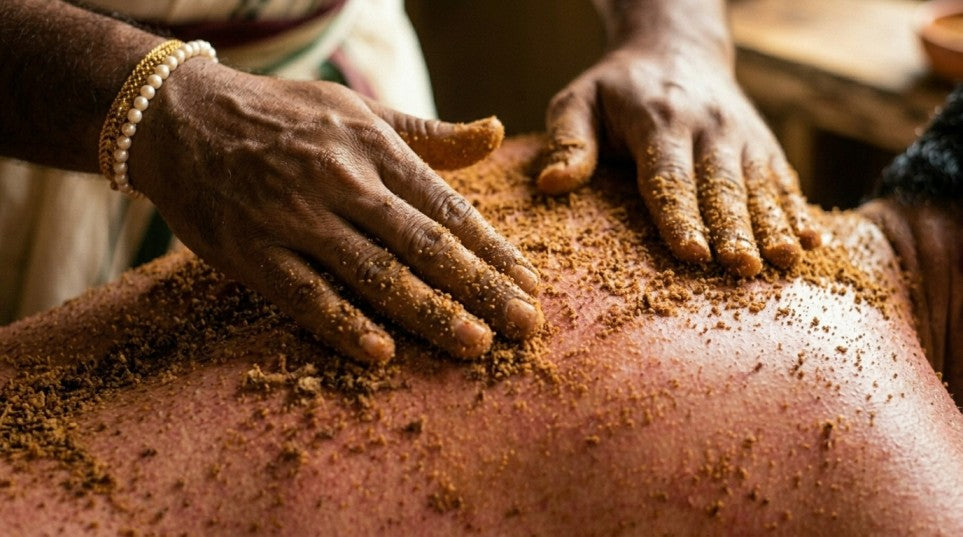
Udwartanam (Herbal Powder Therapy)
Although not always classified strictly under Panchakarma, Udwartanam is often integrated into weight loss programs. It involves vigorous massage using herbal powders.
Udwartanam reduces Kapha dominance and stimulates peripheral circulation. It is particularly useful for stubborn fat and fluid retention.
Abhyanga and Swedana
Oil massage (Abhyanga) and steam therapy (Swedana) are typically preparatory steps. They mobilize toxins from deep tissues toward the digestive tract for elimination.
Abhyanga improves circulation and reduces stress, while Swedana enhances detoxification through sweating.
Therapy sequencing is critical. Panchakarma is never randomly applied; it follows a structured protocol tailored to the individual.
Who Is an Ideal Candidate for Panchakarma for Weight Loss?
Panchakarma is particularly beneficial for individuals experiencing:
-
Long-standing obesity
-
Stubborn belly fat
-
PCOS-related weight gain
-
Insulin resistance
-
Fatty liver
-
Weight plateau despite dieting
In such cases, superficial dietary adjustments may not be sufficient. Deeper metabolic stagnation requires systemic detoxification.
Women with PCOS often benefit from Panchakarma because hormonal imbalance and toxin accumulation frequently coexist. When digestive fire improves, hormonal rhythm stabilizes more effectively.
However, therapy must be personalized based on medical screening.
When Panchakarma Alone Is Not Enough
While Panchakarma is powerful, it is not a standalone solution. Without dietary discipline and lifestyle correction, results may not sustain.
Panchakarma prepares the body for metabolic correction. Follow-up maintenance ensures long-term stability.
In some individuals, Gut Reset Therapy or structured Weight Management Therapy may complement Panchakarma to optimize outcomes.
How Long Does Panchakarma Take for Weight Loss?
Panchakarma is not a one-day procedure. It typically unfolds in three phases:
-
Purva Karma (Preparation) – Mobilizing toxins using oil therapy and steam
-
Pradhana Karma (Main Detox Procedure) – Virechana, Basti, or other indicated therapies
-
Paschat Karma (Post-Detox Stabilization) – Diet regulation and gradual metabolic strengthening
Programs may last anywhere between 7 to 21 days depending on intensity and individual needs.
Weight loss results are gradual. Initial reductions may reflect toxin clearance and water balance improvement. Long-term fat reduction occurs as metabolism stabilizes.
Can Panchakarma Reduce Belly Fat?
Central obesity is often associated with insulin resistance and stress-related hormonal imbalance. Panchakarma addresses both digestive and inflammatory factors contributing to abdominal fat accumulation.
By improving liver function, reducing Kapha stagnation, and stabilizing cortisol levels indirectly, Panchakarma supports belly fat reduction.
However, sustained results require dietary and lifestyle alignment.
Is Panchakarma Safe for Weight Loss?
Panchakarma should always be performed under qualified Ayurvedic supervision. It is not suitable for self-administration or casual detox attempts.
Medical screening is essential to assess:
-
Digestive strength
-
Existing medical conditions
-
Hormonal status
-
Nutritional deficiencies
Pregnant women, individuals with severe weakness, or those with certain chronic conditions may require modified approaches.
When properly administered, Panchakarma is safe and therapeutic.
Final Thoughts
Panchakarma is indeed powerful, but not because it forces weight loss. Its strength lies in restoring digestive intelligence, clearing toxin accumulation, improving liver function, and stabilizing hormonal balance.
For individuals with stubborn obesity, insulin resistance, or PCOS-related weight gain, Panchakarma offers a deeper level of metabolic correction when integrated into a structured program.
Related post
27
Apr
24
Apr

24
Apr
