 Free & discreet shipping on all prescriptions
 No insurance required


March 17, 2026
Ayurvedic Treatment for Back Pain: A Complete Guide
Ayurveda, the ancient system of natural healing, has been practiced for thousands of years in India. Its holistic approach to health focuses on balancing the mind, body, and spirit through natural remedies, diet, lifestyle adjustments, and therapies. In this post, we’ll explore the core principles of Ayurveda and how you can incorporate them into your daily routine for a healthier and more balanced life.
Back pain is a condition affecting young professionals working long hours at desks to older adults experiencing degenerative spine changes. For some, back pain appears suddenly after lifting heavy objects. For others, it develops gradually due to posture, stress, vitamin deficiencies or lifestyle imbalance.
In many cases, back pain becomes chronic, returning repeatedly despite medication or physiotherapy. Painkillers may offer temporary relief, but they rarely address the deeper cause of recurrence.
Ayurvedic treatment for back pain offers a fundamentally different approach. Rather than focusing solely on suppressing pain, Ayurveda identifies the underlying imbalance responsible for discomfort. It examines metabolic disturbances, nervous system stability, tissue nourishment, posture habits, and dosha imbalance before designing treatment.
In classical Ayurvedic texts, back pain is described under conditions such as Katishoola (lower back pain), Gridhrasi (sciatica), and Vata-related spinal disorders.
Understanding Back Pain from a Modern Medical Perspective
Back pain is a condition involving complex interaction between muscles, ligaments, vertebrae, intervertebral discs, and nerve pathways. The spine is not merely a rigid structure, it is a dynamic column that supports body weight, enables movement, and protects the spinal cord. Any disturbance within these structuresl can lead to discomfort and pain.
In modern medicine, back pain is often attributed to muscle strain, disc bulge, ligament injury, degenerative disc disease, or nerve compression. Lower back pain, particularly in the lumbar region, is the most commonly reported complaint due to the load-bearing nature of this segment of the spine.
Chronic back pain develops gradually and persists beyond three months, often without a single identifiable cause. Interestingly, imaging findings such as disc degeneration may not always correlate directly with the severity of pain, indicating that structural changes alone do not explain all symptoms.
This gap between structural diagnosis and symptom severity is where Ayurvedic assessment becomes valuable, as it evaluates systemic imbalance rather than relying solely on imaging results.
Types of Back Pain Ayurveda Recognizes
Ayurveda does not treat back pain as a single uniform condition. Instead, it classifies pain based on dosha involvement and tissue disturbance.
Katishoola (Lower Back Pain)
Lower Back Pain refers to pain localized in the lumbar region. It is commonly associated with aggravated Vata accumulating in the lower spine. Symptoms may include stiffness, dryness, and difficulty bending.
Gridhrasi (Sciatica)
Sciatica corresponds to radiating pain that travels from the lower back down the leg. This condition arises when aggravated Vata irritates nerve pathways. Patients may experience shooting pain, numbness, or tingling sensations.
Sandhigata Vata (Degenerative Spine)
In degenerative conditions such as spondylosis, Vata causes progressive depletion of joint tissues, leading to stiffness and reduced mobility.
Understanding this subtype of back pain is crucial because treatment approaches vary significantly.
Root Causes of Back Pain According to Ayurveda
Ayurveda views back pain as the result of cumulative imbalance rather than a single triggering event. The spine is governed primarily by Vata dosha, which controls movement and nerve impulses. When Vata becomes aggravated, dryness and instability develop in joints and muscles.
Common contributing factors include:
-
Irregular daily routines
-
Prolonged sitting
-
Excess travel
-
Emotional stress
-
Inadequate sleep
-
Improper diet
-
Weak digestion
Weak digestive fire (Mandagni) reduces tissue nourishment. Over time, structural tissues such as ligaments and discs become less resilient. In some individuals, toxin accumulation (Ama) may further obstruct channels in the spine.
Stress also plays a major role. Chronic tension increases muscle tightness and disturbs Vata, contributing to recurring pain.
Ayurvedic Diagnosis of Back Pain
Effective Ayurvedic treatment begins with accurate and individualized diagnosis. The consultation process includes Nadi Pariksha, a classical pulse examination technique that provides insight into the internal balance of doshas, tissue vitality, digestive strength, and toxin presence.
Unlike symptom-based evaluation, Nadi Pariksha helps determine whether back pain is primarily due to aggravated Vata, associated with inflammatory Pitta involvement, or complicated by Kapha stagnation. It also reveals whether Ama (metabolic toxins) is obstructing channels in the spinal region. This is crucial because two patients with identical MRI findings may have entirely different internal imbalances requiring distinct therapeutic strategies.
The pulse examination is complemented by posture assessment, spinal mobility evaluation, digestive history, sleep pattern analysis, and lifestyle review. This comprehensive understanding allows treatment to be tailored precisely to the individual rather than applying generalized protocols.
Personalized diagnosis ensures that therapies, herbal formulations, and dietary recommendations are aligned with the patient's constitution and stage of imbalance, improving both short-term relief and long-term outcomes.
Ayurvedic Treatment for Back Pain
Management focuses on pacifying aggravated Vata, nourishing spinal tissues, improving circulation, and strengthening structural integrity. Treatment is systematic and gradual.
If toxins are present, detoxification may be initiated first. If dryness and degeneration dominate, oil-based therapies become central.
Panchakarma and Therapeutic Procedures
Panchakarma and related Ayurvedic therapies play a central role in managing back pain, particularly when Vata imbalance is dominant. These therapies are designed not only to reduce pain but also to restore lubrication, improve circulation, and enhance tissue nourishment.
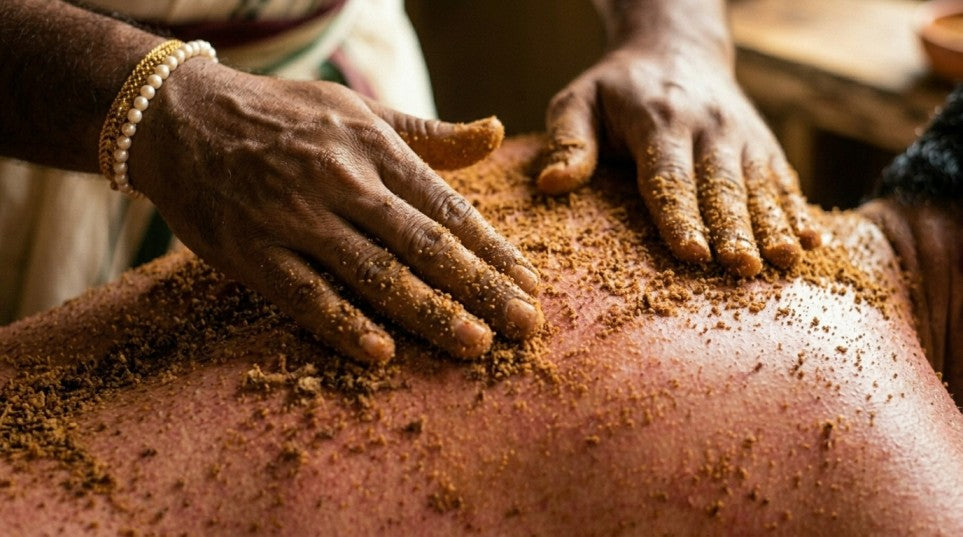
Kati Basti, a localized oil retention therapy, is frequently recommended for lower back pain. In this procedure, warm medicated oil is retained over the lumbar region for a prescribed duration. The warmth and herbal properties penetrate deeply, improving flexibility and reducing stiffness.
Abhyanga, the classical full-body oil massage, supports systemic Vata pacification. By enhancing circulation and calming the nervous system, it reduces muscular tightness and improves mobility. When followed by Svedana (herbal steam therapy), absorption of medicinal oils improves, and muscle relaxation deepens.
Medicated enema treatment is best line of treatment for Vata related disturbances especially in Low back aches.
In selected cases where toxins are contributing to pain, structured Panchakarma detox procedures may be recommended. These aim to eliminate accumulated Ama and restore metabolic balance. The sequence and duration of therapies are carefully customized based on individual assessment and stage of degeneration.
Together, these procedures create a therapeutic environment that supports structural repair and reduces recurrence.
Internal Herbal Support
Internal herbal support forms an essential component of ayurvedic treatment for back pain. While external therapies address localized stiffness and circulation, internal formulations work at a deeper systemic level. They help pacify aggravated Vata, nourish depleted tissues, support joint lubrication, and reduce inflammation where present.
Commonly used herbs and formulations include:
-
Shallaki (Boswellia serrata) – Supports joint flexibility and reduces inflammatory discomfort
-
Guggulu (Commiphora mukul) – Used in classical preparations like Yogaraj Guggulu for Vata disorders
-
Dashamoola – A ten-root combination known for balancing Vata and relieving musculoskeletal pain
-
Ashwagandha (Withania somnifera) – Strengthens muscles and supports nerve health
-
Rasna – Traditionally indicated in Vata-related joint and back pain
-
Eranda (Castor-based formulations) – Sometimes used to reduce stiffness
These herbs are prescribed in tailored combinations and dosages to ensure optimal effect without unnecessary strain on digestion.
The Role of Diet in Managing Back Pain
Ayurvedic Diet plays a pivotal role in spinal health because digestion directly influences tissue nourishment. In Ayurveda, the strength of Agni (digestive fire) determines how effectively nutrients are absorbed and delivered to musculoskeletal tissues. Weak digestion gradually leads to depletion of structural integrity, increasing vulnerability to chronic pain.
A Vata-pacifying diet is typically recommended in most back pain cases, especially when dryness and stiffness dominate symptoms. Warm, freshly prepared meals help counteract internal dryness and improve nutrient assimilation. Healthy fats in moderation support lubrication, while consistent meal timings stabilize metabolism.
By correcting dietary habits, patients create an internal environment that supports spinal recovery and reduces recurrence.
Lifestyle & Posture Correction
Lifestyle modification is essential in sustaining results achieved through therapy and herbal support. Modern work environments often involve prolonged sitting, poor ergonomic setup, and minimal movement throughout the day. Over time, these habits increase mechanical stress on the lumbar spine and aggravate Vata.
Incorporating mindful posture correction and structured movement helps prevent recurrence. Gentle strengthening exercises improve spinal stability, while stretching reduces muscular tightness. Avoiding sudden heavy lifting and maintaining healthy body weight further reduces strain.
Helpful lifestyle practices include:
-
Maintaining ergonomic sitting posture
-
Taking short movement breaks during work hours
-
Practicing supervised yoga for spinal flexibility
-
Performing daily oil massage to reduce stiffness
-
Ensuring adequate sleep and stress management
When lifestyle alignment complements therapy, the effectiveness of ayurvedic treatment for back pain improves significantly.
Back Pain vs Sciatica vs Spondylosis
Back pain may present in different forms depending on the underlying cause. Proper differentiation is essential for accurate treatment planning.
| Feature | Simple Lower Back Pain (Katishoola) | Sciatica (Gridhrasi) | Spondylosis (Degenerative Spine) |
|---|---|---|---|
| Primary Cause | Muscle strain or Vata imbalance | Nerve irritation due to Vata aggravation | Progressive degeneration of spinal joints |
| Pain Pattern | Localized to lower back | Radiates from lower back to leg | Chronic stiffness and reduced mobility |
| Sensation | Aching or stiffness | Shooting or electric pain | Dull persistent pain |
| Numbness | Rare | Common | Occasional |
| Morning Stiffness | Mild | Variable | Pronounced |
| Ayurvedic Focus | Vata pacification and lubrication | Nerve channel correction and Vata balancing | Tissue nourishment and degeneration control |
| Therapy Emphasis | Kati Basti, Abhyanga | Kati Basti, Nasya, internal herbs | Long-term Rasayana support and oil therapies |
This differentiation ensures precise therapeutic direction.
Can Back Pain Be Permanently Cured in Ayurveda?
The possibility of permanent relief depends on the stage, severity, and duration of the condition. In early-stage back pain caused by muscle strain or mild Vata imbalance, Ayurvedic intervention can often provide complete resolution. Correcting posture, strengthening digestion, and pacifying aggravated doshas prevent recurrence.
In recurrent or moderate cases involving disc involvement or nerve irritation, consistent therapy significantly reduces frequency and intensity. While structural changes may not fully reverse, symptoms can often be controlled effectively.
In advanced degenerative conditions such as spondylosis, Ayurveda focuses on slowing progression, improving mobility, and enhancing quality of life. Through regular oil-based therapies, herbal support, and lifestyle discipline, many patients experience sustainable improvement.
The key to long-term success lies in early diagnosis, individualized treatment, and adherence to dietary and lifestyle guidelines.
Final Thoughts
Back pain is not merely a mechanical problem; it often reflects deeper imbalance involving digestion, lifestyle, and dosha disturbance.
By restoring Vata balance, nourishing tissues, and strengthening structural integrity, ayurvedic treatment for back pain offers a sustainable and holistic pathway toward relief.
Early consultation and disciplined adherence to therapy can significantly improve long-term spinal health.
Frequently Asked Questions About for Back Pain Treatment
Q: Can Ayurveda help treat chronic back pain naturally?
A: Yes, ayurvedic treatment for back pain focuses on identifying and correcting the underlying imbalance rather than simply suppressing symptoms. Ayurveda works by pacifying aggravated Vata dosha, improving tissue nourishment, reducing muscular tightness, and supporting spinal stability through therapies, herbal medicines, diet, and lifestyle correction. Many individuals with chronic lower back pain experience reduced stiffness, better mobility, and fewer recurring episodes with consistent Ayurvedic management.
Q: Which Ayurvedic therapies are commonly used for back pain?
A: Ayurvedic therapies for back pain commonly include Kati Basti, Abhyanga, Svedana, Panchakarma detox procedures, and medicated enema therapies for Vata disorders. Kati Basti involves retaining warm medicated oil over the lower back to improve circulation and reduce stiffness, while Abhyanga helps relax muscles and calm the nervous system. The exact therapy plan depends on the type of back pain, whether it involves muscle strain, nerve irritation, or degenerative spinal changes.
Q: What causes back pain according to Ayurveda?A:
According to Ayurveda, back pain is primarily caused by aggravated Vata dosha affecting the spine, joints, muscles, and nerve pathways. Factors such as prolonged sitting, irregular routines, stress, poor posture, inadequate sleep, weak digestion, and improper diet gradually increase dryness and instability within the body. Over time, this weakens spinal tissues and contributes to stiffness, pain, and reduced flexibility. In some cases, toxin accumulation (Ama) may also obstruct channels and worsen symptoms.
Q: What foods should be avoided during Ayurvedic treatment for back pain?
A: Ayurveda recommends avoiding foods that aggravate Vata and weaken digestion, as poor digestion reduces tissue nourishment and may worsen chronic pain. This includes cold foods, processed snacks, dry foods, excessive caffeine, refrigerated leftovers, and irregular eating habits. Instead, warm, freshly prepared meals with healthy fats in moderation are encouraged to support spinal lubrication, improve digestion, and reduce internal dryness associated with back pain.
Q: Can Ayurveda help with sciatica and spondylosis along with back pain?
A: Yes, Ayurveda also addresses related conditions such as sciatica (Gridhrasi) and spondylosis through individualized treatment approaches. In sciatica, treatment focuses on calming aggravated Vata affecting nerve pathways and reducing radiating pain, numbness, or tingling sensations. In spondylosis, the emphasis shifts toward slowing degeneration, nourishing spinal tissues, improving flexibility, and maintaining mobility. Therapies, herbal medicines, posture correction, and lifestyle modification are tailored according to the specific condition and stage of progression.
Related post
27
Apr
24
Apr

24
Apr
