 Free & discreet shipping on all prescriptions
 No insurance required


February 23, 2026
Ayurveda Herbs and Spices: Benefits, Uses & Ayurvedic Treatments
Ayurveda, the ancient system of natural healing, has been practiced for thousands of years in India. Its holistic approach to health focuses on balancing the mind, body, and spirit through natural remedies, diet, lifestyle adjustments, and therapies. In this post, we’ll explore the core principles of Ayurveda and how you can incorporate them into your daily routine for a healthier and more balanced life.
Ayurveda herbs and spices form the foundation of India’s oldest system of healing. Long before modern supplements and pharmaceuticals, Ayurvedic physicians relied on herbs, roots, barks, leaves, and kitchen spices to restore balance, strengthen digestion, reduce inflammation, and support long-term health.
In Ayurveda, herbs and spices are never used in isolation. They are carefully selected based on an individual’s prakriti (constitution), vikriti (imbalance), digestive strength, and the root cause of disease. At Yuvrit, these herbs are integrated into personalised treatment plans that may include Ayurvedic therapies, detox programs, and lifestyle corrections.
This guide explores how Ayurvedic herbs and spices work, which conditions they support, and how they are used within Ayurvedic treatments for joint pain, gut health, stress, diabetes, women’s health, skin disorders, and more.
Ayurvedic Herbs & Spices: Simple Guide
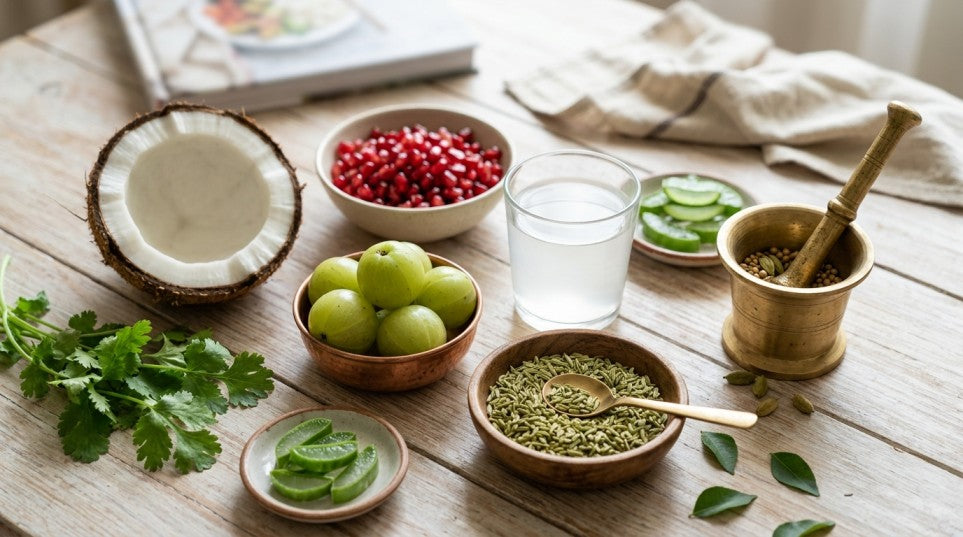
Ayurvedic herbs and spices form the foundation of traditional Indian wellness, where food and healing are closely connected. Unlike modern approaches that rely heavily on supplements, Ayurveda emphasizes using everyday kitchen ingredients to support digestion, balance the body, and maintain long-term health. Each herb and spice is understood based on its natural properties, whether it is warming or cooling, light or heavy, and how it interacts with your body type. This guide introduces some of the most commonly used Ayurvedic herbs and spices, along with their traditional uses and simple ways to include them in your daily routine.
Ashwagandha
Ashwagandha is widely used in Ayurveda to support stress, recovery, and overall strength. It is typically consumed as a powder, capsule, or mixed into warm drinks rather than used in cooking. While commonly used for daily wellness, concentrated supplements should be taken with caution, especially for people who are pregnant, managing thyroid conditions, or taking sedatives.
Turmeric
Turmeric is a staple kitchen spice known for its role in everyday Indian cooking. In Ayurveda, it is traditionally associated with digestion and overall balance. It is commonly added to dals, vegetables, and warm beverages. While safe in food amounts, high-dose supplements may not be suitable for individuals with gallbladder issues or those on blood-thinning medications.
Ginger
Ginger is a warming spice commonly used to support digestion and reduce heaviness after meals. It is widely used in teas, soups, and everyday cooking. In Ayurvedic understanding, it helps stimulate digestive fire (Agni). However, consuming large amounts may cause discomfort or acidity in individuals sensitive to heat or reflux.
Cumin
Cumin is a foundational spice in Ayurvedic cooking, often used to support digestion and improve how food is processed. It is typically tempered in ghee or oil and added to dals and vegetables. It can also be used in simple digestive teas. While safe as a food spice, excessive intake in supplement form is not commonly recommended.
Coriander
Coriander is considered a cooling and balancing spice in Ayurveda. It is used both as seeds and fresh leaves (cilantro) in cooking. Often paired with cumin and fennel, it helps create lighter and more balanced meals. It is generally safe, though individuals with herb allergies should exercise caution.
Fennel
Fennel has a mild, sweet flavor and is often used as a cooling spice. It is commonly consumed after meals or brewed as tea to support comfortable digestion. In Ayurveda, it is used to balance heavier or more heating foods. Culinary use is safe, but concentrated extracts should be used only under guidance.
Black Pepper
Black pepper is a warming and stimulating spice used to enhance digestion and appetite. It is commonly added to masalas, soups, and various dishes. While beneficial in small amounts, it may cause irritation or worsen acidity when consumed in excess, especially for those with sensitive digestion.
Cinnamon
Cinnamon is a warming spice used in beverages, desserts, and spice blends. In Ayurveda, it is associated with warmth and comfort, especially in colder seasons. While small amounts are safe, high-dose supplements should be approached carefully, particularly for individuals on blood sugar medications.
Triphala
Triphala is a combination of three fruits and is widely used in Ayurveda to support digestion and gut balance. It is usually taken as a powder or tablet rather than used in cooking. Because it can influence bowel movements, it should be used carefully and ideally under professional guidance.
Tulsi (Holy Basil)
Tulsi is commonly consumed as an herbal tea and is valued in Ayurveda for daily wellness and seasonal balance. It is not typically used as a cooking ingredient. While safe as a tea, concentrated supplements should be used cautiously, especially during pregnancy or alongside medications.
Fenugreek (Methi)
Fenugreek is both a culinary spice and a wellness ingredient, used in seeds and leaf form in curries and parathas. It is traditionally linked to digestion and metabolic balance. However, it may affect blood sugar levels, so caution is advised in higher doses.
Ajwain (Carom Seeds)
Ajwain is a strong digestive spice commonly used in Indian households for bloating and gas relief. It is added to parathas, snacks, and traditional remedies. Due to its potency, it should be used in moderation, especially for individuals with acidity or during pregnancy.
How Herbs and Spices Are Used in Ayurveda
Ayurveda views herbs and spices as functional medicines, not flavouring agents. Their role extends far beyond nutrition.
Internal Medicines
Herbs and spices are commonly prescribed as:
-
Churnas (powders)
-
Kashayams (decoctions)
-
Asava / Arishtam (fermented preparations)
-
Tablets or capsules
-
Medicated ghee
These formulations work internally to improve digestion, remove toxins (ama), balance doshas, and correct metabolic disturbances, and treat various diseases.
External Therapies
Many herbs are also used externally through:
-
Medicated oils
-
Herbal pastes (lepa)
-
Steam therapies
-
Basti (medicated enemas)
-
Nasya
This allows targeted treatment for pain, inflammation, stiffness, and nerve-related disorders.
Detox and Rejuvenation Programs
In therapies like Panchakarma, herbs and spices play a critical role in:
-
Loosening stored toxins
-
Mobilising metabolic waste
-
Rejuvenating tissues after detox
Ayurveda Herbs and Spices for Common Health Conditions
One of the strengths of Ayurveda is its condition-specific yet personalised approach. Below is how herbs and spices are commonly used across major health concerns.
Herbs and Spices for Joint Pain, Arthritis & Inflammation
Joint pain in Ayurveda is often linked to Vata imbalance, toxin accumulation, and weakened digestion. Herbs focus on reducing inflammation, improving circulation, and lubricating joints.
Commonly used herbs and spices:
-
Ashwagandha: strengthens muscles and joints
-
Shallaki (Boswellia): supports inflammation reduction
-
Asthi Shrinkala (Cissus quadrangularis): strengthens bones
-
Turmeric: improves circulation and joint flexibility
-
Ginger: enhances digestion and reduces stiffness
These herbs are frequently combined with external therapies such as Abhyanga, Dhanyamladhara, Janu Basti, and Kati Basti for long-term relief from knee pain, neck pain, lower back pain due to arthritis, cervical spondylosis,lumbar spondylosis, sciatica etc
Herbs and Spices for Gut Health, Acidity & Digestion
Digestive health is central to Ayurveda. Most chronic diseases are believed to originate from poor digestion and toxin buildup.
Commonly used herbs and spices:
-
Triphala: supports bowel regularity and detox
-
Yastimadhu: reduces hyperacidity, heals ulcers
-
Vacha: Improves digestive fire
-
Pippali: Improves digestive fire and absorption
-
Jeera (Cumin): improves digestive fire
-
Ajwain: reduces bloating and gas
-
Hing: supports gut motility
-
Ginger: strengthens agni (digestive fire)
These herbs are often prescribed alongside Ayurvedic Gut Reset Therapy to address acidity, IBS, bloating, constipation, and chronic indigestion at the root level.
Herbs and Spices for Stress, Anxiety & Sleep Disorders
Stress-related disorders are commonly associated with Vata and Pitta imbalance. Ayurveda focuses on calming the nervous system while strengthening mental resilience.
Commonly used herbs and spices:
-
Brahmi: supports mental clarity and calmness
-
Ashwagandha: reduces stress and fatigue
-
Jatamansi: promotes restful sleep
-
Jatiphala (Nutmeg): supports sleep regulation in small doses
These herbs are often combined with therapies like Shirodhara and Ayurvedic Stress Relief Therapy to address anxiety, insomnia, burnout, and nervous system fatigue.
Herbs and Spices for Diabetes & Metabolic Disorders
In Ayurveda, diabetes is understood as a metabolic imbalance involving digestion, tissue nutrition, and toxin accumulation.
Commonly used herbs and spices:
-
Gudmar: supports sugar metabolism
-
Vijaysar: helps regulate blood sugar levels
-
Fenugreek: improves insulin sensitivity
-
Turmeric: supports metabolic balance
Herbal support is often integrated with Panchakarma detox and Ayurvedic weight management therapies to improve metabolic health sustainably.
Herbs and Spices for Women’s Health & Hormonal Balance
Ayurveda treats hormonal issues by focusing on digestion, tissue nourishment, and reproductive health.
Commonly used herbs and spices:
-
Shatavari: supports hormonal balance and fertility
-
Ashoka: traditionally used for menstrual health
-
Lodhra: supports reproductive tissue health
-
Kumari: supports hormonal balance
-
Ginger: improves circulation and digestion
These herbs are commonly used in personalised treatment plans for PCOS, menstrual irregularities, fertility support, and post-pregnancy recovery.
Herbs and Spices for Skin, Hair & Immunity
Skin and hair health in Ayurveda reflects internal balance, digestion, and blood purification.
Commonly used herbs and spices:
-
Neem: supports skin purification
-
Manjistha: improves blood quality
-
Amla: strengthens immunity and hair
-
Turmeric: supports skin clarity and healing
-
Bringaraj: Supports hair growth
Herbal formulations are often paired with detox therapies to address eczema, pigmentation, hair fall, and low immunity from within.
Ayurvedic Therapies That Use Herbs and Spices
Ayurvedic therapies amplify the effect of herbs by delivering them directly to affected tissues.
-
Panchakarma: A structured detox program where herbs are used internally and externally to eliminate deep-seated toxins and rejuvenate the body.
-
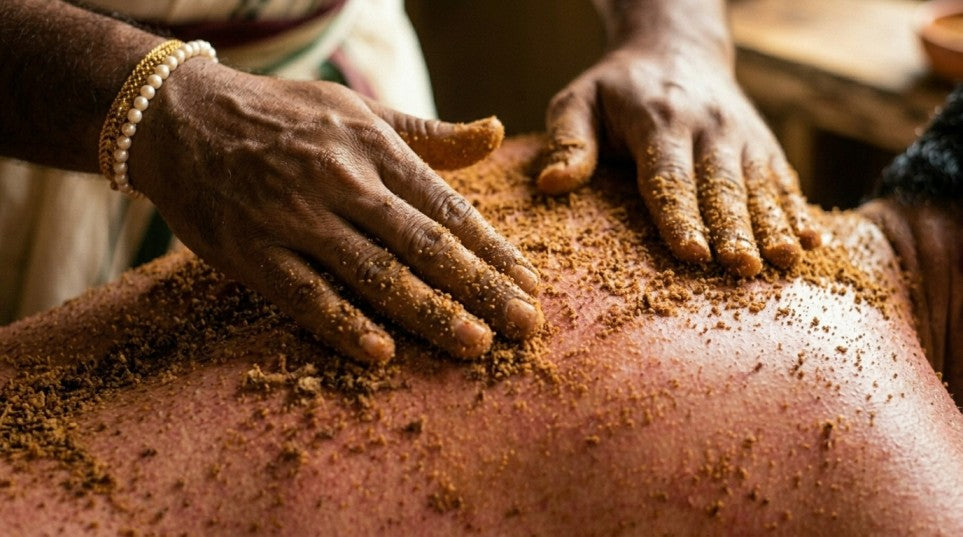
Abhyanga: A full-body oil massage using medicated oils infused with herbs that improve circulation, reduce stiffness, and calm the nervous system.
-
Shirodhara: A deeply relaxing therapy where herbal oils are poured over the forehead to support mental calmness, sleep, and stress relief.
-
Janu Basti & Kati Basti: Targeted therapies where warm herbal oils are retained over joints or the lower back to relieve pain and stiffness.
-
Ayurvedic Gut Reset Therapy: A focused program using digestive herbs and dietary correction to restore gut health and metabolism.
Why Herbs Must Be Chosen Based on Your Dosha
Ayurvedic herbs are powerful, but they must be used correctly. The same herb may benefit one person and aggravate another if prescribed without understanding dosha balance.
At Yuvrit, treatment plans are guided by:
-
Detailed consultation- Assessment of digestion, lifestyle, and medical history
-
Pulse diagnosis (Nadi Pariksha)
This ensures herbs and therapies work with your body, not against it.
Related post
27
Apr
24
Apr

24
Apr
