 Free & discreet shipping on all prescriptions
 No insurance required


February 27, 2026
Ayurvedic Lifestyle: Daily Routine, Habits & Holistic Healing
Ayurveda, the ancient system of natural healing, has been practiced for thousands of years in India. Its holistic approach to health focuses on balancing the mind, body, and spirit through natural remedies, diet, lifestyle adjustments, and therapies. In this post, we’ll explore the core principles of Ayurveda and how you can incorporate them into your daily routine for a healthier and more balanced life.
An Ayurvedic lifestyle is not about rigid routines or extreme discipline. In Ayurveda, lifestyle is considered a therapeutic foundation, as important as medicines, diet, and therapies. The way you wake up, exercise, eat, work, rest, and sleep directly influences digestion, immunity, mental health, and disease progression.
At Yuvrit, lifestyle guidance is never given as generic advice. It is personalised and closely integrated with Ayurvedic therapies such as Panchakarma, Abhyanga, Shirodhara, Gut Reset Therapy, and Stress Relief Therapy. Whether the goal is managing joint pain, improving digestion, reducing stress, balancing hormones, or preventing lifestyle disorders, an Ayurvedic lifestyle supports healing at the root level.
This guide explains what an Ayurvedic lifestyle is, its core principles, daily routines, and how lifestyle practices support Ayurvedic treatments for common health conditions.
What Is an Ayurvedic Lifestyle?
An Ayurvedic lifestyle is a way of living that aligns daily habits with the body’s natural rhythms and individual constitution. Ayurveda views health as a balance between:
-
Body
-
Mind
-
Digestion
-
Environment
Disease develops when daily habits disturb this balance, through irregular routines, poor digestion, stress, improper sleep, and suppressed natural urges.
An Ayurvedic lifestyle focuses on:
-
Strengthening digestion (Agni)
-
Preventing toxin accumulation (Ama)
-
Balancing doshas (Vata, Pitta, Kapha)
-
Supporting mental and emotional stability
Lifestyle correction is considered essential not only for healing but also for preventing recurrence after treatment.
Core Principles of an Ayurvedic Lifestyle
Strengthening Digestive Fire (Agni)
In Ayurveda, digestion governs overall health. When Agni is weak or irregular, food is not properly processed, leading to toxin accumulation and disease.
As the shloka goes
मन्दाग्निर् सर्वरोगाणां मूलम् इति अभिधीयते। Cha.chi
Mandagni (weak digestive fire) is the root cause of all the diseases.
An Ayurvedic lifestyle supports digestion through:
-
Regular meal timings
-
Eating according to appetite
-
Avoiding late-night meals
-
Managing stress, which directly affects digestion
This principle is central to managing digestive disorders, joint pain, metabolic issues, and chronic fatigue, and is reinforced during Gut Reset Therapy and Panchakarma.
Preventing Ama (Toxin Accumulation)
According to Ayurveda ,one should fill half of the stomach with solid food, one quarter with liquids, and leave one quarter empty for the proper movement of Vāta. If not followed it may lead to an accumulation of ama.
Ama is a toxic residue formed from undigested food, poor lifestyle habits, and chronic stress. It is believed to block bodily channels and contribute to inflammation, stiffness, sluggishness, and disease.
An Ayurvedic lifestyle helps prevent Ama by:
-
Avoiding overeating
-
Eating freshly prepared food
-
Maintaining daily movement
-
Following a regular routine
Detox therapies like Panchakarma are most effective when supported by correct lifestyle practices.
Aligning with Natural Body Rhythms
Ayurveda emphasises living in harmony with natural cycles of day and night. Disrupting these rhythms, through late nights, irregular sleep, or skipped meals, weakens the nervous system and digestion.
An Ayurvedic lifestyle encourages:
-
Waking early
-
Eating the main meal during midday
-
Winding down in the evening
-
Sleeping at a consistent time
This alignment supports stress relief, hormonal balance, and mental clarity.
Balancing Mind and Body
Mental health is deeply connected to physical health in Ayurveda. Chronic stress, anxiety, and emotional suppression disturb dosha balance and digestion.
Lifestyle practices such as mindful eating, adequate rest, and calming routines complement therapies like Shirodhara, Nasya, and Stress Relief Therapy.
Dinacharya: Daily Ayurvedic Lifestyle Routine
Dinacharya refers to the daily routine recommended in Ayurveda to maintain balance and prevent disease.
Morning Routine (Pratahkal)
A healthy day begins with a calm and structured morning.
Common Ayurvedic morning practices include:
-
Waking up early and at a consistent time
-
Gentle cleansing routines
-
Light stretching or movement
-
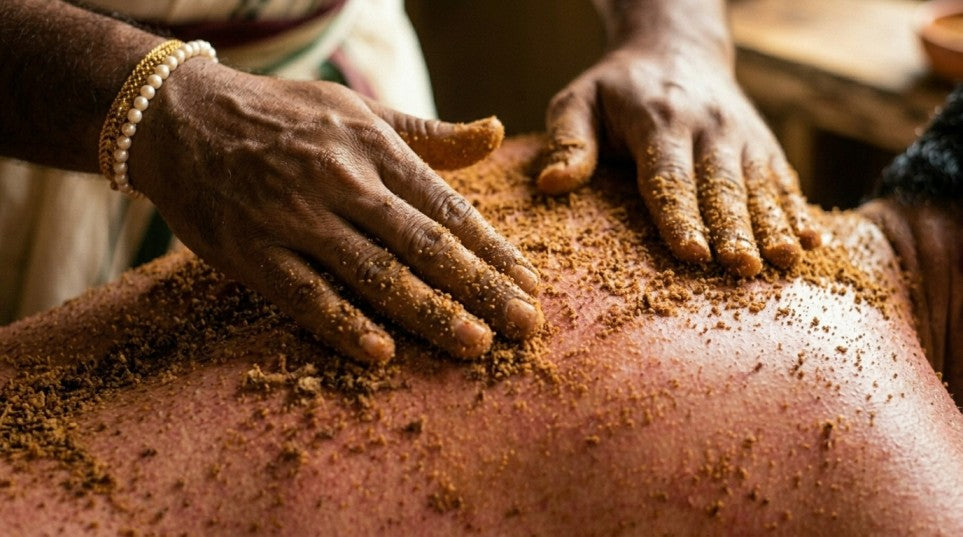
Regular oil massage (Abhyanga),
Morning routines support joint mobility, nervous system balance, and digestive readiness, making them particularly beneficial for individuals with joint pain, arthritis, and stress-related disorders.
Vyayama
In Ayurveda, Vyayāma (exercise), when practiced only up to half of one’s strength (ardha-śakti) and stopped when sweating appears on the forehead, plays a vital role in maintaining health.
Such moderate exercise kindles Agni (digestive fire), thereby improving digestion and metabolism, reduces Kapha and Meda (excess fat), and brings a sense of lightness (lāghava) and increased physical strength.
By supporting proper Agni and preventing the accumulation of Āma, Vyayāma also enhances immunity and helps in the prevention of lifestyle disorders, making it an essential daily practice when done judiciously and in moderation.
Daytime Habits
The daytime routine focuses on productivity without exhausting the body.
Key principles include:
-
Eating meals at regular times
-
Avoiding heavy snacks between meals
-
Taking short breaks to reduce mental fatigue
-
Supporting digestion through mindful eating
These habits are especially important for people managing digestive disorders, diabetes, and lifestyle diseases.
Evening and Night Routine
Evening routines help the body transition into rest and recovery.
Ayurvedic recommendations include:
-
Light dinners taken early
-
Reduced screen exposure at night
-
Calm activities before sleep
-
Adequate sleep duration
This routine supports therapies used for anxiety, insomnia, and mental exhaustion, including Shirodhara and Stress Relief Therapy.
Ayurvedic Lifestyle Based on Body Type (Dosha)
Each individual responds differently to lifestyle habits based on their dominant dosha.
Vata Lifestyle Guidelines
Vata governs movement, joints, and the nervous system. Imbalance can lead to joint pain, dryness, anxiety, and disturbed sleep.
Lifestyle recommendations include:
-
Regular routine
-
Warm environments
-
Adequate rest
-
Gentle, consistent movement
These practices also support treatments for joint pain, arthritis, anxiety, and nervous system disorders, and work well alongside Abhyanga, Janu Basti, and Kati Basti.
Pitta Lifestyle Guidelines
Pitta governs metabolism and heat. Excess Pitta may cause acidity, inflammation, irritability, and skin issues.
Lifestyle recommendations include:
-
Avoiding excessive heat and overwork
-
Taking breaks during the day
-
Maintaining emotional balance
-
Cooling routines
These habits also support therapies for acidity, GERD, skin disorders, diabetes, and stress-related conditions.
Kapha Lifestyle Guidelines
Kapha governs stability and structure. Excess Kapha can cause weight gain, lethargy, and sluggish digestion.
Lifestyle recommendations include:
-
Regular physical activity
-
Avoiding daytime sleep
-
Light and active routines
-
Mental stimulation
These practices complement Weight Management Therapy, Udwartanam, and detox programs such as Panchakarma.
Ayurvedic Lifestyle for Common Health Conditions
Lifestyle changes are tailored based on the health condition and stage of disease.
Ayurvedic Lifestyle for Joint Pain and Arthritis
Lifestyle focus includes:
-
Maintaining warmth
-
Avoiding prolonged inactivity
-
Following a regular daily routine
-
Prioritising rest and recovery
These habits enhance the effectiveness of therapies like Abhyanga, Janu Basti, Kati Basti, Elakizhi, and Panchakarma.
Ayurvedic Lifestyle for Digestive Disorders
Digestive disorders benefit from:
-
Fixed meal timings
-
Stress reduction
-
Adequate sleep
-
Avoiding irregular eating habits
Lifestyle correction is essential alongside Gut Reset Therapy and Panchakarma for long-term digestive health.
Ayurvedic Lifestyle for Stress, Anxiety, and Sleep Disorders
Mental health conditions require:
-
Reduced mental overload
-
Consistent sleep routines
-
Calm daily rhythms
-
Adequate rest
These practices work in synergy with Shirodhara, Nasya, Abhyanga, and Stress Relief Therapy.
Ayurvedic Lifestyle for Diabetes and Lifestyle Disorders
Lifestyle disorders are managed through:
-
Daily discipline
-
Regular activity
-
Stress management
-
Consistent routines
These changes support Weight Management Therapy, Panchakarma, and metabolic correction programs.
Ayurvedic Lifestyle for Women’s Health and Hormonal Balance
Hormonal balance is influenced by rest, stress levels, digestion, and routine.
Lifestyle recommendations include:
-
Regular sleep and meal timings
-
Adequate nourishment
-
Avoiding excessive physical and mental strain
These habits support therapies used for PCOS, menstrual disorders, fertility support, and post-pregnancy recovery.
Seasonal Ayurvedic Lifestyle (Ritucharya)
Ayurveda recognises that lifestyle should change with seasons to maintain balance.
Seasonal lifestyle practices may include:
-
Adjusting daily routines
-
Modifying activity levels
-
Supporting digestion during seasonal transitions
Seasonal detox and rejuvenation therapies such as Panchakarma are often recommended during specific times of the year
Related post

27
Apr
24
Apr

24
Apr
