 Free & discreet shipping on all prescriptions
 No insurance required


January 24, 2026
Migraine Treatment in Ayurveda
Ayurveda, the ancient system of natural healing, has been practiced for thousands of years in India. Its holistic approach to health focuses on balancing the mind, body, and spirit through natural remedies, diet, lifestyle adjustments, and therapies. In this post, we’ll explore the core principles of Ayurveda and how you can incorporate them into your daily routine for a healthier and more balanced life.
A migraine is a recurring neurological condition characterised by severe, often one-sided head pain that can last anywhere from a few hours to several days. Unlike a common tension headache, a migraine typically presents with throbbing or pulsating pain, nausea, vomiting, and marked sensitivity to light, sound, or smell. In approximately one-third of patients, the headache is preceded by an aura, transient neurological symptoms such as visual disturbances, numbness, or speech difficulty that signal the onset of an attack.
Clinically identified triggers include chronic psychological stress, disrupted sleep patterns, hormonal fluctuations, prolonged fasting, and dietary factors such as caffeine, aged cheeses, and processed foods. Conventional management relies primarily on analgesics, anti-emetics, anti-seizure medications, and antidepressants. While these pharmacological interventions provide symptomatic relief, they do not address the underlying physiological imbalances driving the condition. Prolonged use also carries risks of dependency, gastric complications, and medication-overuse headache, a well-documented paradox in migraine management. This is precisely where migraine treatment in Ayurveda offers a clinically meaningful and sustainable alternative.
The Ayurvedic Pathophysiology of Migraine
In Ayurvedic medicine, migraines are most precisely correlated with a condition described in classical texts as Ardhavabhedaka, a severe, unilateral head pain caused by the vitiation of the tridoshas, most notably Vata and Pitta. Understanding this pathophysiology is central to designing an effective treatment protocol.
Vata aggravation disrupts neurological signalling and cerebrovascular circulation, producing the characteristic throbbing pain and sensory hypersensitivity. Pitta imbalance drives the inflammatory component, manifesting as burning pain, photophobia, and intense irritability during attacks. Kapha involvement contributes heaviness in the cranial region, nausea, and vomiting. Compounding these dosha disturbances is the accumulation of Ama, endogenous metabolic toxins produced by impaired digestive function, which obstructs the srotas (physiological channels) of the head and neck, progressively worsening both the frequency and severity of migraine episodes. Migraine treatment in Ayurveda is therefore directed not merely at pain suppression but at correcting dosha imbalance, restoring digestive integrity, and clearing Ama from the system.
How Ayurvedic Treatment Differs from Conventional Migraine Management
The fundamental distinction between Ayurvedic and conventional migraine treatment lies in the therapeutic objective. Conventional medicine primarily targets the pain pathway — blocking neurotransmitter activity or reducing inflammation at the point of the attack. Ayurveda approaches the same condition as a systemic disorder with a constitutional basis, requiring individualised intervention based on the patient's Prakruti (inherent body constitution) and the specific pattern of dosha aggravation.
Where conventional treatment offers a largely standardised pharmacological protocol, migraine treatment in Ayurveda is personalised. Two patients presenting with identical headache symptoms may receive entirely different treatment plans if their dosha profiles differ. This precision-based approach, combining internal herbal medicines, Panchakarma therapies, dietary modification, and lifestyle restructuring, addresses the root cause rather than managing symptoms in isolation.
Shirodhara: The Primary Ayurvedic Therapy for Migraine Relief
Among all Ayurvedic interventions for migraine, Shirodhara holds a position of particular clinical importance. This specialised therapy involves the continuous pouring of warm medicated oil in a steady, controlled stream onto the forehead, specifically targeting the Ajna marma point, a vital energy centre with direct neurological significance in Ayurvedic anatomy.
The therapeutic mechanism of Shirodhara operates at multiple levels. The sustained thermal and tactile stimulus to the forehead activates the parasympathetic nervous system, reducing sympathetic hyperactivity, a well-recognised contributor to migraine pathogenesis. It effectively pacifies aggravated Vata and Pitta in the cranial region, reduces cortisol-mediated stress responses, and restores neuroendocrine equilibrium.
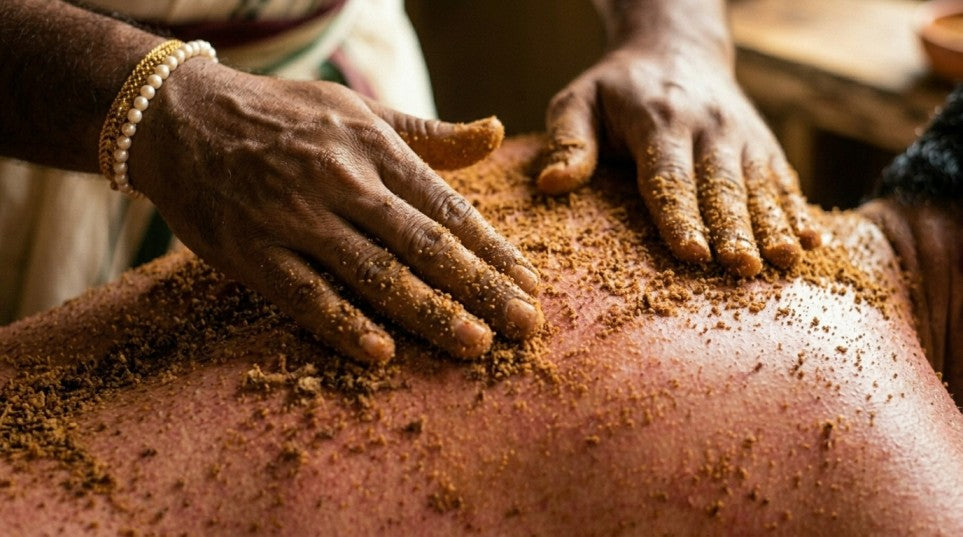
Patients undergoing Shirodhara as part of a structured migraine treatment protocol consistently report reductions in attack frequency, duration, and pain intensity, alongside improvements in sleep quality and anxiety levels. For comprehensive efficacy, Shirodhara is typically administered as part of an integrated protocol alongside Abhyanga (therapeutic full-body oil massage) and Nasya (nasal instillation therapy).
Key Ayurvedic Herbs Used in Migraine Treatment
The Ayurvedic pharmacopeia contains several botanicals with well-established neuromodulatory and anti-inflammatory properties that are central to migraine treatment in Ayurveda.
-
Brahmi (Bacopa monnieri) supports serotonergic activity through its zinc content, regulating the neurotransmitter pathways most implicated in migraine pathogenesis. It is particularly indicated in stress-related and tension-type migraines.
-
Ashwagandha (Withania somnifera) functions as a potent adaptogen, reducing hypothalamic-pituitary-adrenal axis dysregulation and supporting long-term nervous system resilience — both critical in patients whose migraines are predominantly stress-triggered.
-
Jatamansi (Nardostachys jatamansi) is classified among the finest Medhya Rasayanas, herbs with a direct action on neurological function. It exerts a sedative and anxiolytic effect on the nervous system and is the herb of first choice for Pitta-predominant migraines presenting with irritability, anxiety, and burning head pain.
-
Guduchi (Tinospora cordifolia) provides systemic detoxification and immunomodulation, addressing the Ama component that perpetuates migraine chronicity.
-
Shatavari (Asparagus racemosus), rich in gamma-linolenic acid, demonstrates anti-inflammatory properties that calm both Vata and Pitta, making it particularly useful in hormonally driven migraines.
For a comprehensive overview of these and other botanicals used in Ayurvedic care, refer to our guide on Ayurvedic herbs and spices.
Panchakarma Therapies for Migraine Management
Beyond Shirodhara, Ayurveda offers a range of Panchakarma interventions that target migraine through different physiological pathways, each selected based on the patient's predominant dosha and symptom profile.
-
Nasya (nasal therapy) involves the administration of medicated oils or herbal preparations through the nasal passage, the most direct route to the cranial structures in Ayurvedic physiology. It is particularly effective for Vata-Pitta migraines, clearing accumulated Ama from the head and neck region and improving neurological function. Patients with concurrent sinus congestion or chronic rhinitis often respond especially well to Nasya therapy.
-
Takradhara: a variant of Shirodhara using medicated buttermilk, is specifically indicated for Pitta-dominant presentations characterised by burning pain, photosensitivity, and insomnia. Its cooling properties make it highly effective in managing the inflammatory component of migraines.
-
Virechana (therapeutic purgation) addresses migraine from the gastroenteric axis. Excess Pitta accumulation in the liver and gastrointestinal tract is a recognised precursor to migraine attacks in many patients, and Virechana systematically eliminates this excess, reducing the visceral trigger load on the cranial system.
-
Abhyanga and Svedana: oil massage followed by herbal steam therapy, function synergistically to calm the nervous system, restore peripheral circulation, and progressively desensitise the hyperreactive neurological state that predisposes patients to frequent migraine attacks.
Dietary and Lifestyle Modifications for Long-Term Migraine Prevention
Migraine treatment in Ayurveda is never limited to in-clinic intervention. Long-term outcomes depend significantly on the patient's adherence to a structured dietary and lifestyle protocol designed to prevent dosha aggravation and maintain the therapeutic gains achieved through Panchakarma. Dietary recommendations centre on supporting Agni, the digestive fire and minimising Pitta provocation.
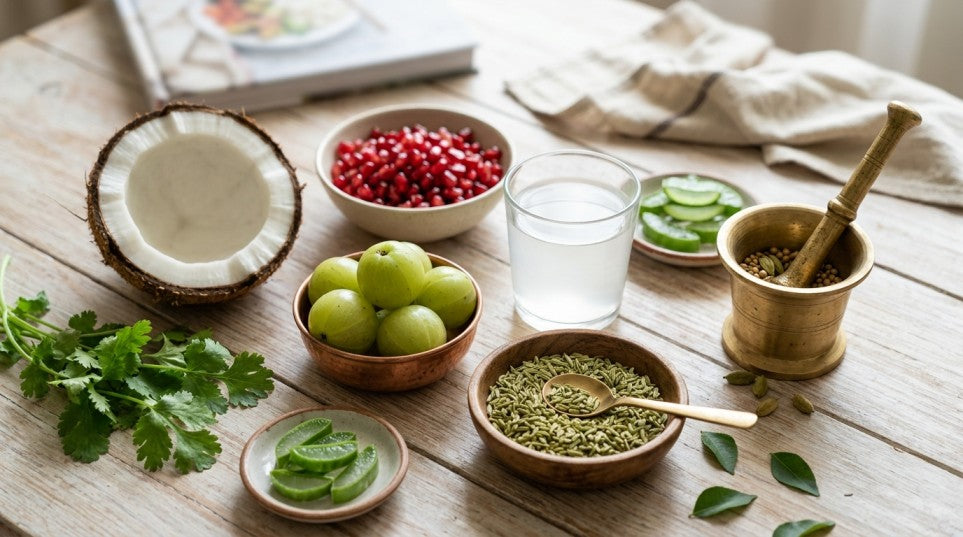
Patients are advised to favour warm, freshly prepared meals and to incorporate naturally cooling herbs such as coriander, fennel, and mint into their daily diet. Foods that are sour, spicy, fermented, excessively oily, or heavily processed must be substantially reduced, as these are primary Pitta aggravators with a direct correlation to migraine frequency. Caffeine and aged cheeses are similarly restricted. Adequate hydration with warm water and herbal teas throughout the day supports digestive function and prevents Ama accumulation. For a detailed dietary framework, refer to our guide on Ayurvedic diet principles.
On the lifestyle front, maintaining a consistent sleep-wake cycle is among the most clinically significant interventions available, irregular sleep patterns are one of the most reliable migraine precipitants regardless of dosha constitution. Minimising prolonged screen exposure, avoiding harsh or flickering light environments, and reducing cognitive overload all help protect an already sensitised nervous system. A regular practice of Pranayama, Yoga, and meditation builds long-term stress tolerance and reduces the hypothalamic reactivity that underlies migraine susceptibility. Patients are specifically advised against prolonged fasting or skipping meals, as an empty stomach rapidly aggravates Vata and is a well-documented immediate trigger. For broader guidance on daily routines that support neurological health, explore our resource on Ayurvedic lifestyle practices.
Conclusion
Migraine is not simply a pain condition, it is a systemic disorder rooted in constitutional imbalance, impaired digestion, and accumulated neurological sensitisation. Migraine treatment in Ayurveda addresses all of these dimensions simultaneously through a personalised combination of Panchakarma therapies, classical herbal formulations, dietary restructuring, and evidence-based lifestyle modification.
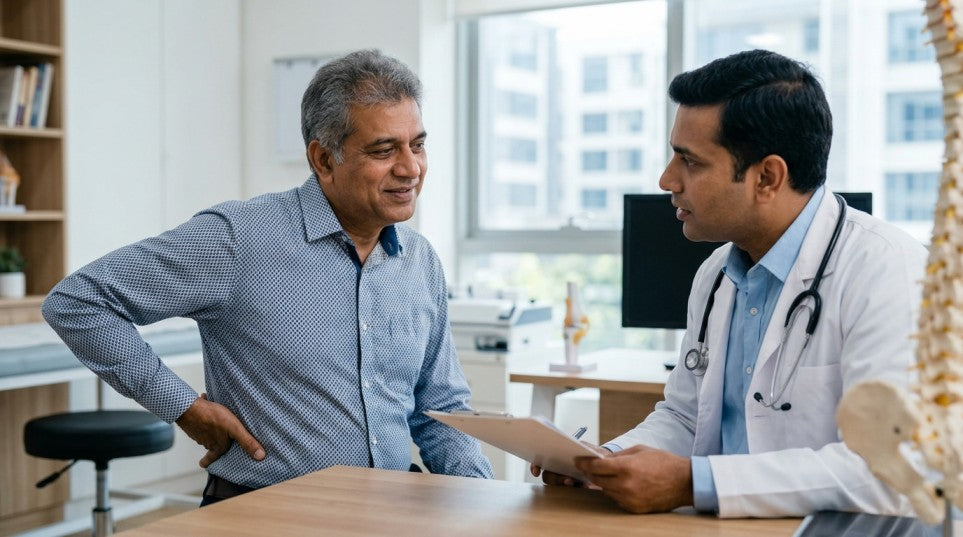
At Yuvrit Ayurveda Clinic, each patient undergoes a thorough dosha assessment before a treatment plan is designed, because effective migraine management begins not with a generic protocol, but with a precise understanding of the individual. The goal is not temporary symptomatic relief, but the restoration of lasting physiological harmony.
Frequently Asked Questions
Related post
27
Apr
24
Apr
24
Apr
