 Free & discreet shipping on all prescriptions
 No insurance required


March 20, 2026
Ayurvedic Treatment for Joint Pain: Natural Remedies, Therapies & Diet
Ayurveda, the ancient system of natural healing, has been practiced for thousands of years in India. Its holistic approach to health focuses on balancing the mind, body, and spirit through natural remedies, diet, lifestyle adjustments, and therapies. In this post, we’ll explore the core principles of Ayurveda and how you can incorporate them into your daily routine for a healthier and more balanced life.
Joint pain, whether caused by aging, injury, or chronic inflammatory conditions like arthritis, can significantly reduce quality of life. From a modern medical perspective, joint pain is viewed as inflammation, stiffness, or degeneration resulting from conditions such as osteoarthritis, rheumatoid arthritis, gout, or bursitis. Treatment typically focuses on symptom management using painkillers and anti-inflammatory drugs.
Ayurveda, on the other hand, offers a holistic and long-term approach. Rather than suppressing symptoms, Ayurvedic treatment for joint pain aims to correct internal imbalances by identifying the root cause, improving digestion (Agni), eliminating toxins (Ama), and restoring doshic balance. This natural, systemic approach helps rejuvenate joints while enhancing overall vitality.
How Dosha Imbalance Leads to Joint Pain
According to Ayurveda, every individual has a unique constitution or Prakriti, determined by the balance of the three doshas, Vata, Pitta, and Kapha. When these doshas become imbalanced (Vikriti), joint disorders can develop.
-
Vata imbalance leads to dryness, cracking, stiffness, and degeneration of joints, commonly seen in osteoarthritis.
-
Pitta imbalance manifests as inflammation, burning pain, redness, and swelling, similar to rheumatoid arthritis.
-
Kapha imbalance causes heaviness, stiffness, and fluid retention around joints, resulting in sluggish movement.
Restoring doshic harmony is essential for lasting relief, improved mobility, and joint nourishment.
Ayurvedic Diagnosis of Arthritis and Chronic Joint Conditions
Ayurveda classifies arthritis and chronic joint disorders based on dosha dominance and the presence of Ama (toxins).
-
Sandhivata is a Vata-dominant condition resembling osteoarthritis, marked by dryness and tissue degeneration.
-
Amavata results from a combination of Vata and Ama, presenting with joint stiffness, swelling, and systemic symptoms similar to rheumatoid arthritis.
-
Vatarakta, caused by imbalance of Vata and Rakta (blood), is comparable to gout and involves sharp pain, redness, and inflammation.
Diagnosis is done through Nadi Pariksha (pulse examination), assessment of Agni, and a detailed evaluation of diet, lifestyle, and symptom history.
Top Ayurvedic Herbs for Joint Pain Relief
Herbs form the foundation of Ayurvedic medicine for arthritis and joint pain:
-
Ashwagandha strengthens muscles and bones while reducing inflammation
-
Shallaki (Boswellia serrata) improves joint mobility and reduces swelling
-
Guggulu detoxifies the body and is especially effective for Amavata
-
Nirgundi acts as a natural analgesic for pain and swelling
-
Rasna relieves stiffness and enhances flexibility
-
Methi (Fenugreek) supports digestion and reduces inflammation
-
Haridra (Turmeric) contains curcumin, a powerful anti-inflammatory and antioxidant.
These herbs provide safe, long-term relief without the side effects of conventional medications.
Powerful Home Remedies for Joint Pain Relief
Simple, consistent home remedies can significantly support joint healing:
-
Warm oil massage with castor oil or methi oil to reduce stiffness
-
Fenugreek powder taken with warm water to strengthen joints internally
-
Garlic sautéed in ghee to pacify Vata-induced pain
-
Turmeric and ginger tea to reduce systemic inflammation
These remedies work best when followed regularly alongside dietary and lifestyle corrections.
Ayurvedic Therapies & Panchakarma for Chronic Arthritis
For long-standing or severe joint conditions, Ayurveda recommends Panchakarma therapies to detoxify and rejuvenate the body:
-
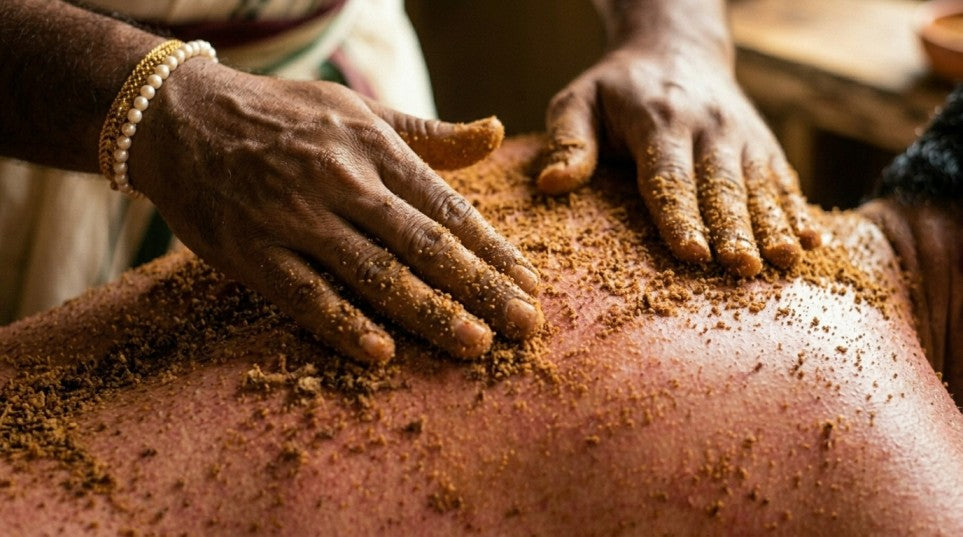
Abhyanga (warm oil massage) nourishes joints and improves circulation
-
Swedana (herbal steam therapy) relieves stiffness and enhances flexibility
-
Pizhichil (medicated oil bath) soothes inflamed joints and tissues
-
Vasti (medicated enema) is crucial for Vata-related joint disorders
-
Lepa (herbal paste application) provides localized relief from pain and swelling
Therapies are customized based on dosha imbalance and disease stage for optimal results.
Dietary Recommendations for Joint Health in Ayurveda
Diet plays a central role in joint healing. Ayurveda recommends warm, light, and easy-to-digest foods to support Agni and prevent Ama formation.
Recommended foods include cooked meals, mung dal, steamed vegetables, and moderate amounts of ghee. Anti-inflammatory ingredients such as garlic, ginger, and turmeric should be used regularly.
Cold, processed, oily, and reheated foods should be avoided. Individuals with inflammatory joint conditions are also advised to limit nightshade vegetables like brinjal and tomatoes.
Daily Routine and Lifestyle Tips for Joint Strength
A disciplined daily routine (Dinacharya) is essential for managing joint pain:
-
Keep the body warm, especially in colder climates
-
Practice gentle yoga such as Surya Namaskar, Trikonasana, and Vrikshasana
-
Avoid prolonged sitting, inactivity, or excessive physical strain
-
Maintain regular sleep patterns and manage mental stress
Consistency in routine enhances the body’s natural healing capacity and joint resilience.
Natural Supplements and External Application
Under the guidance of an Ayurvedic physician, natural formulations can further support recovery:
External oils
-
Dhanwantharam Thailam
-
Mahanarayana Thailam
-
Murivenna
Internal formulations
-
Yogaraja Guggulu
-
Simhanada Guggulu
-
Rasnadi Guggulu
These help reduce inflammation, detoxify the system, and restore joint function over time.
When to See a Doctor
While Ayurveda offers powerful natural healing tools, medical consultation is essential when joint pain becomes chronic, progressively worsens, or is accompanied by deformity, swelling, or systemic symptoms. Special care is required if joint pain coexists with diabetes, autoimmune disorders, or metabolic conditions. Early intervention ensures safe, effective, and long-lasting recovery.
Related post
27
Apr
24
Apr

24
Apr
