Free & discreet shipping on all prescriptions
 No insurance required



January 24, 2026
Migraine Treatment in Ayurveda: Natural Remedies, Therapies & Diet
Ayurveda, the ancient system of natural healing, has been practiced for thousands of years in India. Its holistic approach to health focuses on balancing the mind, body, and spirit through natural remedies, diet, lifestyle adjustments, and therapies. In this post, we’ll explore the core principles of Ayurveda and how you can incorporate them into your daily routine for a healthier and more balanced life.
Migraine Treatment in Ayurveda
What is a Migraine? Causes and Symptoms You Should Know
A migraine is a severe form of headache, often affecting one side of the head. It may be accompanied by symptoms such as:
-
Throbbing or pulsating pain
-
Nausea or vomiting
-
Sensitivity to light, sound, or smells
-
Visual disturbances (aura) before the headache starts.
Common Triggers include stress, irregular sleep, hormonal changes, fasting, loud noise, and certain foods like aged cheese, chocolate, and coffee.
Ayurvedic View: What Causes Migraine According to Ayurveda?
In Ayurveda, a migraine is closely related to Ardhavabhedaka, a type of headache described in classical texts. It is primarily caused by an imbalance in tridoshas.
-
Vata aggravation: Triggers the pain by disturbing nerve signals and circulation.
-
Pitta imbalance: Leads to inflammation and burning sensations in the head and eyes
- Kapha imbalance: Leads to heaviness in the head, nausea, vomiting.
Ama (toxins):Undigested waste in the body blocks the channels (srotas), especially in the head region, worsening the frequency and intensity of migraines.
How Ayurvedic Treatment Differs from Conventional Migraine Management
Conventional medicine often relies on:
-
Analgesics or painkillers
-
Anti-emetic drugs,
-
Anti-seizure drugs
-
Anti-depressants
Although these help in subsiding pain temporarily, but may not address the root cause. Alongside long term use can cause adverse effects like
Ayurveda, on the other hand, focuses on:
-
Identifying dosha imbalance
-
Improving digestion and detoxifying the body
-
Strengthening the nervous system through lifestyle changes, herbs, and therapies
-
Personalized treatments based on prakruti (body constitution)
Shirodhara for Migraine Relief – A Signature Ayurvedic Therapy
Shirodhara is a soothing Ayurvedic therapy where warm herbal oil is poured in a gentle, continuous stream over the forehead (third eye region).
Benefits of Shirodhara for Migraine:
-
It calms the overactive nervous system
-
Reduces stress, anxiety, and insomnia
-
Relieves chronic headache patterns
It is often combined with Abhyanga (oil massage) and Nasya (nasal oil therapy) for holistic relief.
Top Ayurvedic Medicines & Herbs for Migraine
-
Brahmi: This herb is rich in zinc which helps in releasing serotonin (happy hormone) thus calming the mind and relieving tension headaches.
-
Ashwagandha: Being a powerful adaptogen, it reduces stress and supports nervous health.
-
Jatamansi: Excellent for calming Pitta and anxiety-related headaches. One of the best Medhya rasayana (brain tonic) and has a sedative effect on the nervous system.
-
Guduchi: Detoxifies the system and improves immunity.
-
Shatavari: Contains essential fatty acids such as gamma-linolenic acid. This helps in calming the mind and also balances Vata and Pitta dosha.
Other Effective Ayurvedic Therapies for Migraines
Apart from Shirodhara, Ayurveda offers a variety of therapies to manage migraines depending on the individual's dosha imbalance:
-
Nasya (Nasal Therapy): Instillation of medicated oil through the nose to cleanse toxins from the head and neck region. It is mainly beneficial in Vata-Pitta migraines.
-
Takradhara: This treatment involves pouring buttermilk infused with herbs on the forehead. Ideal for migraines with burning sensation, irritability, and insomnia.
-
Virechana (Therapeutic Purgation): Cleanses excess Pitta from the digestive system and liver, which often triggers migraines.
-
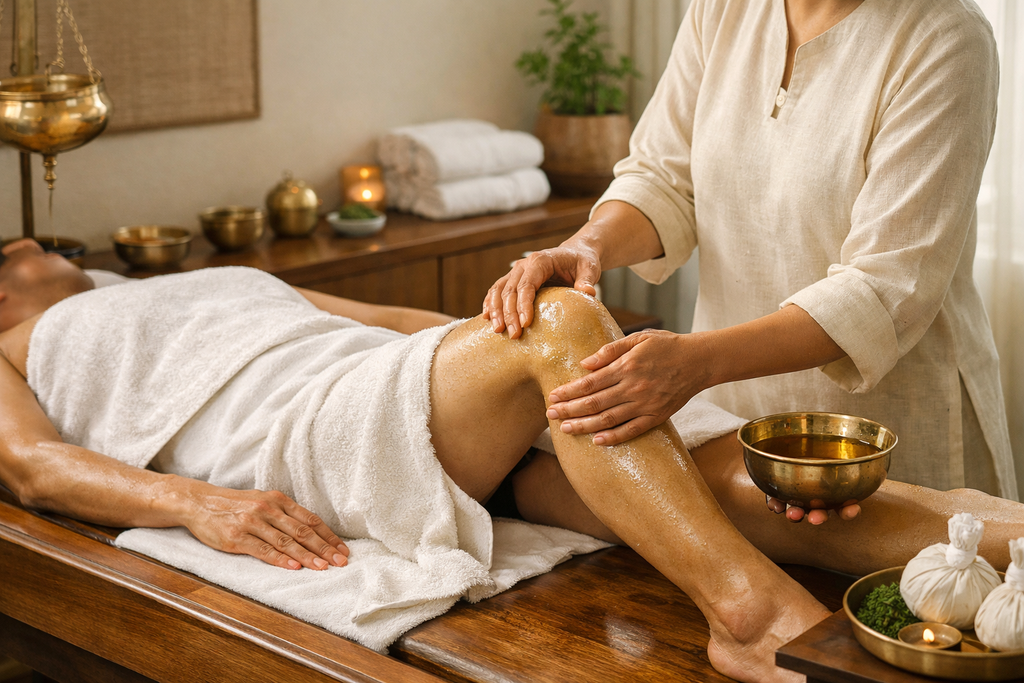
Abhyanga & Svedana: Full body oil massage followed by herbal steam therapy calms the nervous system and improves circulation, reducing migraine intensity over time.
Natural Remedies and Home Practices for Migraine
Ayurveda recommends simple, effective home practices to prevent and reduce migraine attacks:
-
Apply sandalwood or rose water paste on the forehead to relieve heat and tension especially when there is burning sensation.
-
Nasal drops (Nasya):Instillation of 2-3 drops of Anutaila into each nostril early in the morning on an empty stomach can help stabilize the nervous system.
-
Coriander tea or Cumin-Coriander-Fennel tea: Supports digestion and balances Pitta.
-
Soak feet in warm water with rock salt before bed. It calms Vata and draws heat away from the head.
-
Massage the head and soles of the feet with Brahmi or Bhringaraj oil to ease tension and promote sleep.
Lifestyle & Diet for Migraine Management in Ayurveda
Dietary modifications:
-
Favor warm, freshly cooked meals.
-
Include cooling herbs like coriander, fennel, and mint.
-
Avoid sour, spicy, fermented, and oily foods that worsen Pitta.
-
Reduce caffeine, aged cheese, and processed foods.
-
Stay hydrated with warm water or herbal teas.
Lifestyle modifications:
-
Maintain a regular sleep-wake cycle; avoid late nights.
-
Reduce screen time and exposure to bright light.
-
Practice Pranayama, Yoga, and Meditation regularly to reduce stress.
-
Avoid fasting and skipping meals, which aggravate Vata.
Conclusion
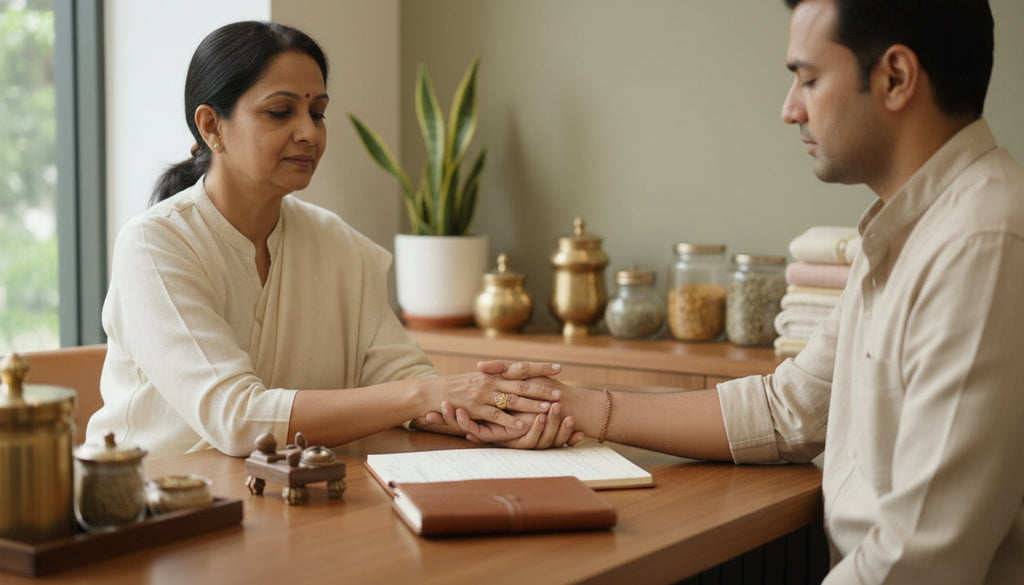
Migraines may feel like a lifelong struggle. In our Yuvrit Ayurveda Clinic we offer hope and healing by addressing the root cause, not just the symptoms. By balancing the doshas, improving digestion, calming the nervous system, and adopting mindful habits, many patients find long-term relief.
Migraine treatment in Ayurveda is not just about managing pain, it's about restoring harmony in your body and mind.