Free & discreet shipping on all prescriptions
 No insurance required


January 25, 2026
Ayurvedic Treatment for Diabetes: Natural Remedies, Therapies & Diet
Ayurveda, the ancient system of natural healing, has been practiced for thousands of years in India. Its holistic approach to health focuses on balancing the mind, body, and spirit through natural remedies, diet, lifestyle adjustments, and therapies. In this post, we’ll explore the core principles of Ayurveda and how you can incorporate them into your daily routine for a healthier and more balanced life.
Ayurvedic Treatment for Diabetes
What is Diabetes? Understanding the Modern and Ayurvedic View
Diabetes is a long-term metabolic disorder that affects how your body uses sugar (glucose), which is your main source of energy. Normally, when you eat food, your digestive system breaks it down into glucose. This glucose then enters your bloodstream. In response, your pancreas releases a hormone called insulin that helps move the glucose from your blood into your body’s cells, where it’s used for energy.
In people with diabetes, this process doesn’t work properly. There are two main problems that can occur:
-
The body does not produce enough insulin, this is common in Type 1 diabetes, where the immune system attacks insulin-producing cells.
-
The body becomes resistant to insulin – this is common in Type 2 diabetes, where the cells don’t respond well to insulin and glucose builds up in the blood.
As a result, blood sugar levels remain high — a condition called hyperglycemia. Over time, this excess sugar in the blood can damage vital organs such as the heart, kidneys, eyes, nerves, and blood vessels.
Ayurvedic view of Diabetes
In Ayurveda, diabetes is not seen as a single disease but rather as a group of metabolic and urinary disorders called Prameha. The term “Prameha” comes from the Sanskrit root “pra” (intensity) and “meha” (to pass urine), referring to conditions characterized by frequent, excessive urination with abnormal qualities like turbidity, color, or odor.
It is mainly caused due to Kapha Dosha imbalance and often leads to depletion of Dhatus (tissues) specially Medha Dhatu (fat tissue). It mainly affects the urinary system. Therefore, treatment of Diabetes in Ayurveda targets to reduce the water content in the body and give nourishment to all dhatus.
Among the 20 types of Prameha mentioned in classical Ayurvedic texts like Charaka Samhita and Sushruta Samhita, the most serious and difficult to treat is called Madhumeha — which means "honey-like urine." This condition is closely associated with Type 2 Diabetes Mellitus.
Causes and Risk Factors of Diabetes (Ayurvedic & Modern Perspective)
Modern Causes:
-
Genetics
-
Obesity and sedentary lifestyle
-
High carbohydrate and sugar-rich diet
-
Stress and poor sleep
Ayurvedic Causes:
-
Excessive intake of sweet,oily, and heavy foods
-
Lack of exercise
-
Excessive intake of sea food, Jaggery and its products
-
Sleeping during the day
-
Mental stress and unresolved emotions
-
Genetic predisposition (Beeja dosha)
Types of Diabetes According to Ayurveda (Prameha Classification)
Ayurveda classifies Prameha into 20 types based on the dominance of Kapha, Pitta, or Vata doshas:
-
Kapha-dominant types – Often early stage and reversible
-
Pitta-dominant types – Intermediate stage with inflammation
-
Vata-dominant types (Madhumeha) – Chronic and difficult to reverse
Madhumeha, correlated with Type 2 diabetes, is considered a Vataja Prameha and requires long-term correction of digestion, elimination, and tissue metabolism (Dhatu poshana).
Ayurvedic Treatment for Diabetes: A Holistic Approach
Ayurveda treats diabetes not just by lowering blood sugar levels, but by addressing the root causes. The treatment includes a personalized combination of herbal medicines, Panchakarma detox therapies, diet, lifestyle changes, and stress management.
Ayurveda focuses on:
-
Balancing doshas, especially Kapha and Vata
-
Detoxifying the body (removing Ama)
-
Strengthening digestion (Agni)
-
Rejuvenating affected organs (like pancreas, liver)
Main Treatments:
Shodhana (Detoxification): Includes Panchakarma therapies like
-
Virechana (Therapeutic purgation): Especially useful in eliminating Pitta and clearing fat accumulated toxins.
-
Basti (medicated enema): Special therapy where medicated enema is introduced into the body through the anal canal using Basti yantra (enema syringe). It is specially indicated for Madhumeha. This helps in removing Ama (toxins), improving the digestive fire and building insulin resistance.
-
Raktamokshana (bloodletting): Includes eliminating the vitiated blood using special structures such as Shringa (horn), Jalouka (leech), Alabu (fruit). Specially indicated in Pittaja Prameha.
-
Shamana (Pacification): This therapy involves prescribing herbal medicines and lifestyle changes. Mainly suggested after the Shodhana line of treatment.
-
Rasayana (Rejuvenation): Tonics that rebuild tissues and vitality.
Top Ayurvedic Herbs & Medicines for Diabetes
1. Gudmar:
Gudmar, known as Madhunashini in Sanskrit, literally means “sugar destroyer” because it helps suppress the taste of sweetness and reduces sugar cravings. It supports healthy insulin function and helps lower blood glucose levels naturally.
2. Neem and Turmeric:
Neem purifies the blood, reduces sugar spikes, and has anti-inflammatory and antimicrobial properties. Turmeric (Haridra) enhances insulin sensitivity and reduces Ama (toxins) that block metabolic pathways.
3. Bitterguard:
One of the popular and very frequently used vegetables in Indian cuisine.
4. Methi (Fenugreek):
Fenugreek seeds help regulate blood sugar levels by slowing down the absorption of carbohydrates. They also support digestive fire (Agni) and reduce bloating or heaviness.
5. Triphala:
Triphala is a blend of three fruits—Amalaki, Haritaki, and Bibhitaki—that cleanses the digestive system and improves gut health. By strengthening digestion and detoxifying the body, it indirectly helps regulate sugar metabolism.
6. Amla (Amalaki / Indian Gooseberry):
Rich in Vitamin C and antioxidants, Amla rejuvenates pancreatic cells and enhances insulin production. It also strengthens immunity and balances all three doshas, especially Kapha.
7. Jambu (Jamun / Syzygium cumini):
Jamun seeds are excellent for controlling frequent urination and lowering blood sugar. They contain jamboline, a compound that slows sugar conversion in the body.
Home Remedies for Diabetes Control
Ayurveda offers time-tested home remedies to help manage blood sugar levels naturally:
-
Fenugreek Seeds (Methi): Soak 1 tsp overnight in water and drink in the morning to improve insulin sensitivity.
-
Gudmar Tea: Brew dried Gudmar leaves to reduce sugar absorption and control cravings.
-
Amla Juice: Cut 1-2 Amla into slices and grind the juice out of it. 10–15 ml of this juice daily helps regenerate pancreatic cells and balances digestion.
-
Triphala Powder: Mixture of three Myrobalans (Haritaki, Vibhitaki, Amalaki). Consuming 1/2tsp with warm water at night, cleanses the gut and supports metabolic health.
-
Jamun Seed Powder: Jamun is an excellent fruit for managing blood sugar levels. ½ tsp daily regulates blood sugar and improves urinary symptoms.
Panchakarma Therapy for Diabetes Management
Panchakarma is Ayurveda’s detox therapy to eliminate toxins (Ama) and reset body metabolism. Below are few Panchakarma therapies that helps managing blood sugar levels:
-
Vamana (Emesis): Useful for Kapha-dominant diabetes to clear excess mucus and improve metabolism.
-
Virechana (Purgation): Removes toxins from the liver and intestines, enhancing insulin function.
-
Basti (Medicated Enemas): Nourishes and tones the colon, balancing Vata and improving glucose metabolism.
-
Udwartana (Herbal Dry Powder Massage): Helps reduce fat deposits and boosts circulation.
-
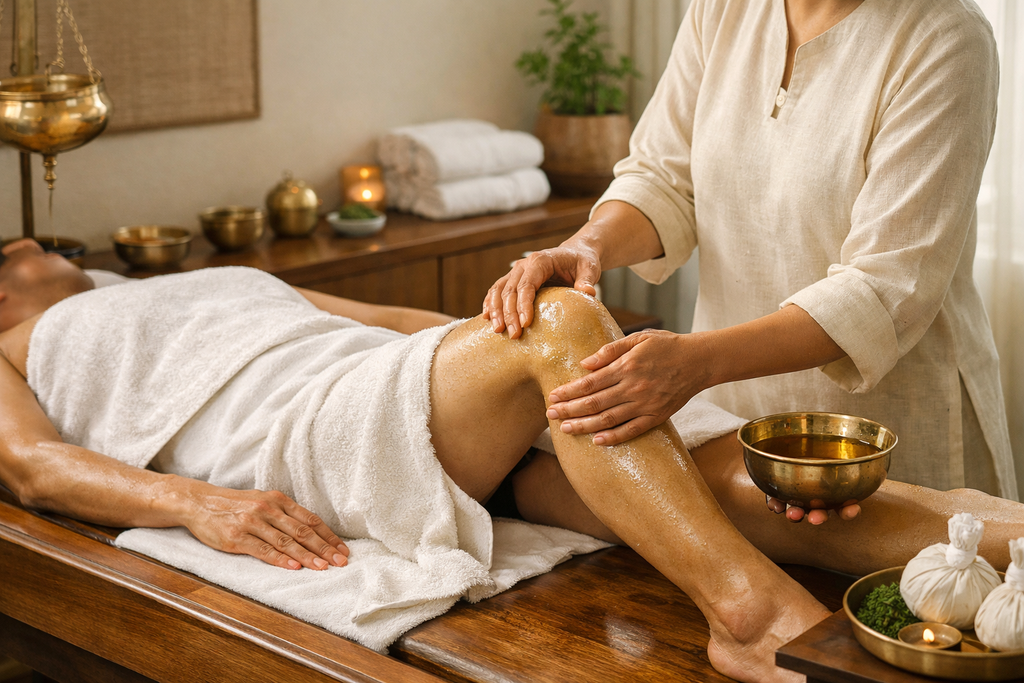
Abhyanga (Oil Massage) & Swedana (Herbal Steam): Relieve stress, improve circulation, and promote detox.
Yoga and Lifestyle Practices to Support Diabetes Reversal
A daily Ayurvedic lifestyle (Dinacharya) along with yoga is essential for holistic diabetes care.
Below are a few Yogasanas to maintain blood sugar levels:
-
Ardha Matsyendrasana
-
Dhanurasana
-
Balasana
-
Vajrasana
-
Sarvangasana
-
Halasana
Ayurvedic Diet Plan for Diabetes Control
A diabetes-friendly Ayurvedic diet emphasizes Agni (digestive fire), low-glycemic foods, and Kapha-pacifying choices.
Recommended Foods:
-
Warm, freshly cooked meals
-
Millets (ragi, jowar, bajra), barley, green gram
-
Leafy greens, bitter vegetables (bitter gourd, fenugreek leaves)
-
Spices: Turmeric, cinnamon, black pepper, ginger
-
Herbal teas: Triphala, fenugreek, ginger tea
Avoid:
-
White rice, refined wheat, processed snacks
-
Excess salt and sugar
-
Dairy (especially curd), fried foods
-
Fermented, cold, and oily foods
Incorporating Ayurveda into Modern Diabetes Care
Ayurveda complements modern diabetes care by addressing root imbalances—Agni, Doshas, and Ama.
-
Holistic Assessment: Ayurveda customizes treatment based on Prakruti (body type), stage of disease, and lifestyle.
-
Integrative Approach: Herbs, Panchakarma, yoga, and diet align well with modern monitoring tools like glucometers and lab tests.
-
Long-Term Prevention: Ayurveda emphasizes sustainable health, stress reduction, and metabolic reset, reducing reliance on medication over time.
-
Doctor-Guided Care: Consult a qualified Ayurvedic physician to personalize your treatment and track progress.
FAQs
-
Which is the best medicine in Ayurveda for diabetes?
Herbs like Gudmar, Vijaysar, Neem, Methi, Jamun and Triphala are widely recommended to help manage blood sugar levels naturally.
-
How can I lower blood sugar naturally in Ayurveda?
Ayurveda recommends a combination of herbal remedies, Kapha-pacifying diet, daily exercise like yoga, and detox therapies like Panchakarma to manage blood sugar. Remedies like soaked fenugreek seeds, amla juice, and Jamun seed powder are often effective when used consistently.
-
Can Ayurvedic treatment cure diabetes permanently?
Ayurveda focuses on root-cause healing, and not just symptomatic control. While diabetes may not be cured in all cases (Vataja Prameha), Ayurvedic treatment can help reverse early stages, reduce complications, and minimize the need for medication over time, especially with strict diet, lifestyle, and herbal support.
-
Is it safe to take Ayurvedic and allopathic medicines together?
Yes, Ayurvedic and allopathic medicines can often be used together safely, but it is essential to consult a qualified Ayurvedic doctor. They will adjust herbs and therapies according to your current medications to avoid interactions and ensure safe integration.
-
Can diabetics live a normal life with Ayurveda?
Yes. With the right Ayurvedic guidance one can manage their condition well and lead a healthy life. Ayurveda supports natural glucose control, better energy levels, and long-term wellness through a holistic lifestyle, diet, and herbs.