 Free & discreet shipping on all prescriptions
 No insurance required

Your shopping bag is empty
Go to the shop
Upanaha Sweda – Herbal Poultice Therapy for Joint Pain Relief
Upanaha Sweda is a traditional Ayurvedic technique for treating localized pain and inflammation using a warm medicated herbal poultice. In this therapy, a therapeutic paste made from upanaha sweda ingredients like dashamoola, Nirgundi, or Eranda, is applied to a painful area (such as joints or muscles) and wrapped tightly to retain heat. The slow release of herbal properties and sustained warmth deeply relieves stiffness, swelling, and chronic joint pain.
At Yuvrit Ayurveda in Bangalore, we customize your Upanaha Sweda procedure based on the affected area and your dosha.

Ready to Begin Your Healing Journey?
Connect with our Care Consultants

Who can benefit from Upanaha Sweda?
Upanaha Sweda benefits are particularly noticeable for individuals experiencing:
- Joint Pain and Stiffness: Particularly effective for arthritis (osteoarthritis or rheumatoid) and general joint disorders, as the herbal heat improves circulation and mobility in stiff joints.
- Lower Back Pain (Kati Shoola): Relieves lumbar pain such as spondylosis or sciatica by delivering soothing warmth and anti-inflammatory herbs directly to the source.
- Inflammation & Swelling: Useful for chronic soft tissue injuries (like sprains, tendonitis) or edema; the poultice reduces localized swelling and accelerates healing.
- Frozen Shoulder or Neck Stiffness: Helps relax tight shoulder/neck muscles, improving range of motion and alleviating pain from overuse or stress.
- Vata-Induced Pain Syndromes: Since dryness and coldness worsen Vata complaints, Upanaha’s heat and herbal nourishment counteract these symptoms in muscles and joints.
- Sports Injuries: Supports recovery from ligament strains or muscle sprains by calming pain and promoting blood flow to the injured area.
How is Upanaha Sweda Procedure done?
Upanaha Sweda procedure follows a careful three-step process:
Preparation Stage
A fresh, warm herbal paste is prepared with ingredients chosen for your condition (e.g., Dashamoola, Nirgundi, or castor). The affected area is cleaned and may be lightly massaged with warm medicated oil to enhance absorption.
Main Procedure
The hot herbal paste is then applied thickly over the painful area. It is typically wrapped with leaves or cloth and securely bandaged to retain heat. Patients lie down or rest with the poultice in place for several hours or even overnight. The sustained warmth helps the herbs penetrate deeply into muscles and joints.
Post-Therapy Care & Recovery
After the treatment, the poultice is gently removed, and the area is cleaned with warm water or herbal decoction. A brief gentle massage may be given to stimulate circulation. Patients are advised to rest and avoid cold exposure, as the heat effect gradually continues to soothe inflammation.


Upanaha Sweda Health benefits
Upanaha Sweda offers multiple therapeutic advantages:
- Relieves Joint & Muscular Pain: The herbal heat deeply penetrates to relax muscles and reduce chronic pain from arthritis or stiffness.
- Reduces Swelling & Inflammation: Active compounds in the herbs alleviate localized inflammation, reducing edema in injured tissues.
- Enhances Blood Circulation: The warmth dilates blood vessels, improving circulation to the affected area, which speeds healing.
- Softens Stiff Tissues & Joints: Regular poultice therapy lubricates stiff joints and tissues, improving flexibility and range of motion.
- Deeply Nourishes & Strengthens: The medicated paste supplies potent nutrients to tissues, nourishing and strengthening muscles over time.
- Pacifies Vata and Kapha Doshas: By adding warmth and moisture, Upanaha counteracts Vata’s coldness and Kapha-related congestion in the joints.

Who Should Avoid Upanaha Sweda (Contraindications)
People with the following conditions should avoid Upanaha or seek medical advice first:
- Acute Injuries or Fractures: Fresh wounds, recent sprains, or broken bones should not be treated with heat and pressure.
- Suppurative (pus-forming) Conditions: Infected or pus-filled areas can worsen with warm bandaging and should be treated medically first.
- Severe Skin Allergies: Those with hypersensitive or allergy-prone skin should do a patch test or may require a milder formulation, as direct herbs can cause irritation.
- High Pitta (Heat) Imbalance: If you already have a lot of internal heat (e.g., severe inflammation, ulcers, high fever), the additional warmth might aggravate your condition.
- Pregnancy (particularly abdominal or back poultice): It’s generally avoided over the lower back or abdomen to prevent any undue pressure or heat stress on the fetus without supervision.

Expertise in Ayurveda
Our physicians diagnose the root cause of your pain and select the optimal herbal combination. We tailor the poultice ingredients to your dosha imbalance and specific ailment for maximum effect. (Keywords: personalized Ayurvedic diagnosis)

Dedicated and Skilled Therapists
Our therapists are trained in applying poultice bandages correctly for uniform pressure and heat retention. They monitor bandage temperature and your comfort, ensuring a safe, soothing experience.
Uncompromised Quality
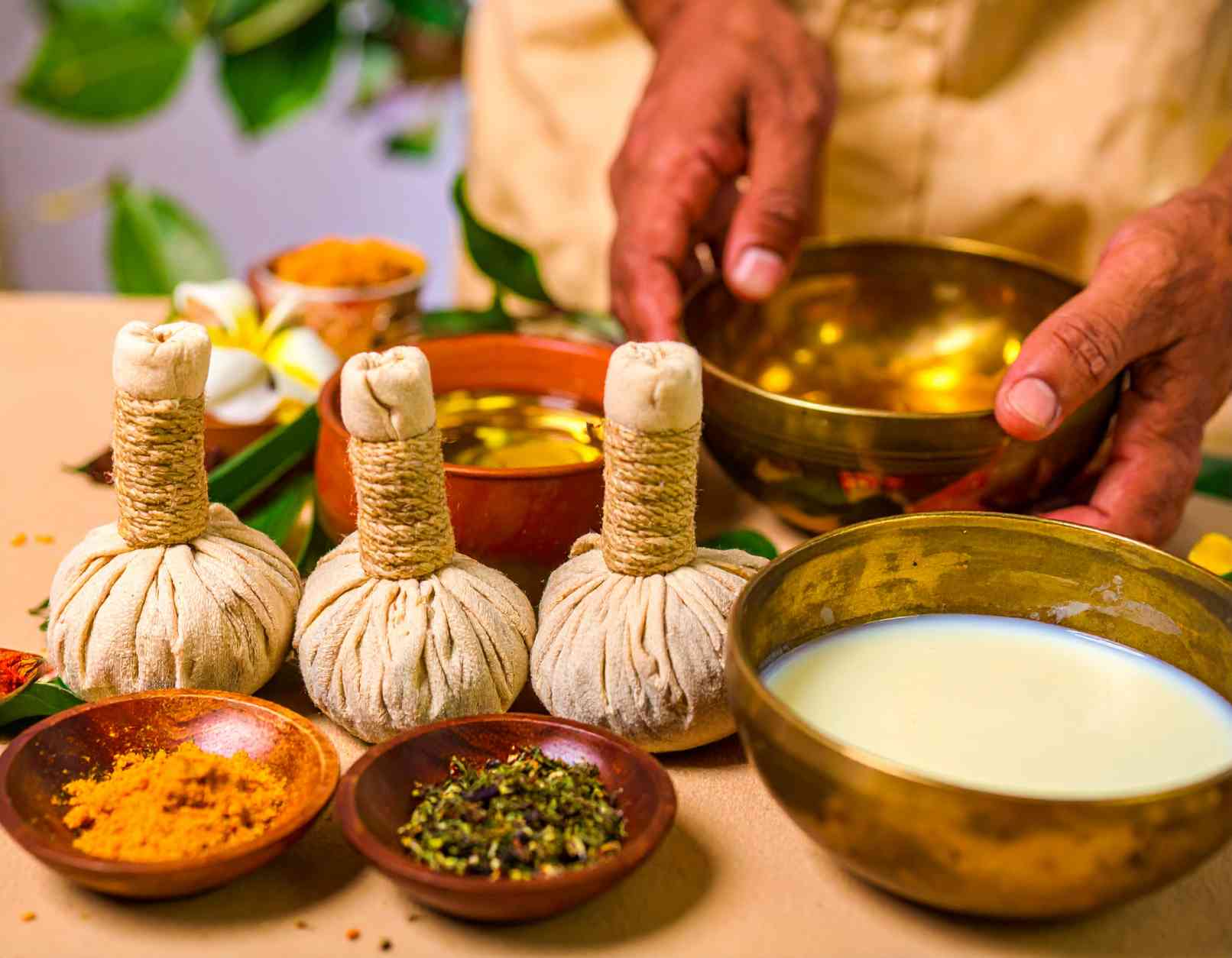
We use fresh, medicinal-grade herbs each session. The poultice is heated to the right temperature just before application to ensure it is warm but comfortable.

A Holistic Healing Space
Upanaha sessions are performed in a peaceful environment in our Bangalore clinics. After removing the poultice, we provide a gentle warm oil massage or hot compress if needed, helping you transition smoothly back to daily activities.
Frequently asked questions
How is Upanaha Sweda different from a regular massage?
Unlike massage, Upanaha Sweda involves applying a warm herbal paste directly to the affected area and wrapping it to retain heat. It focuses more on pain relief and reducing inflammation than on relaxation.
Can this therapy be combined with other treatments?
Yes, Upanaha Sweda works well alongside other Panchakarma or local therapies like Janu Basti or Patra Pinda Sweda. Our doctors will recommend the best combination for your needs.
Is Upanaha Sweda safe for all age groups?
Yes, it’s safe when done under expert supervision. It can be adapted for different age groups, especially seniors or individuals with joint degeneration.
What is the Upanaha treatment cost?
The cost of Upanaha varies between Rs 1,000 to Rs 1,500. The cost depends on duration and your specific illness.
What herbs are used in the paste?
The paste typically includes anti-inflammatory and pain-relieving herbs like Dashamoola, Eranda (castor), and Nirgundi. Herbs are selected according to your body type and condition.
Is there any care I should take after the session?
Yes. Avoid exposure to cold or wind, rest the treated area, and follow any dietary suggestions. A warm bath or steam after removing the paste can further enhance the effect.

